Working Hours
Monday to Friday: 09:00 AM – 06:00 PM Saturday–Sunday: ClosedContact Information
Republic of Armenia, Yerevan, 0025, 15 Charents Street Email:info@iae.am Phone:+37410-55-26-45Find us on Facebook
The Ancient Settlement of Kapan: On the Path to New Discoveries
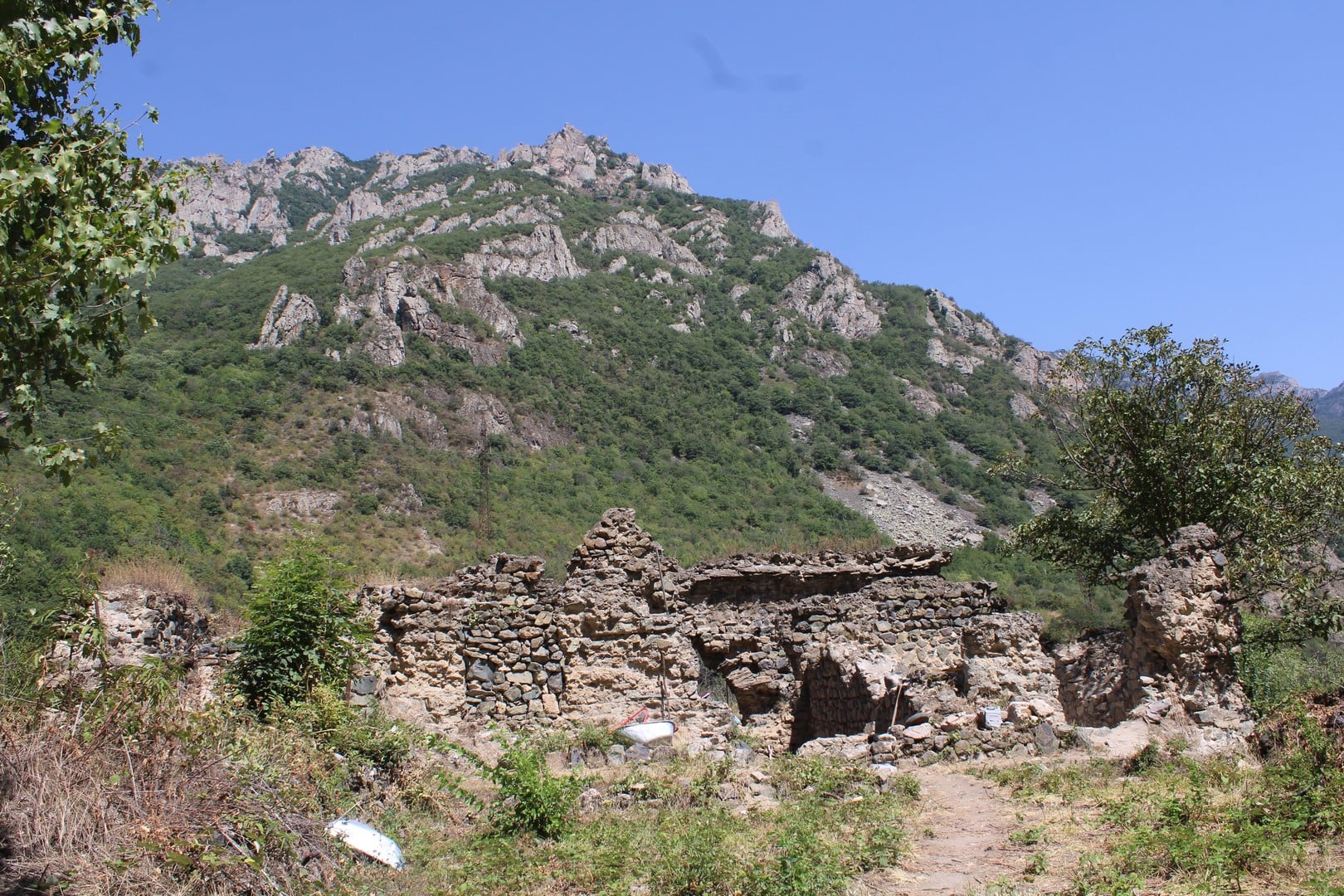
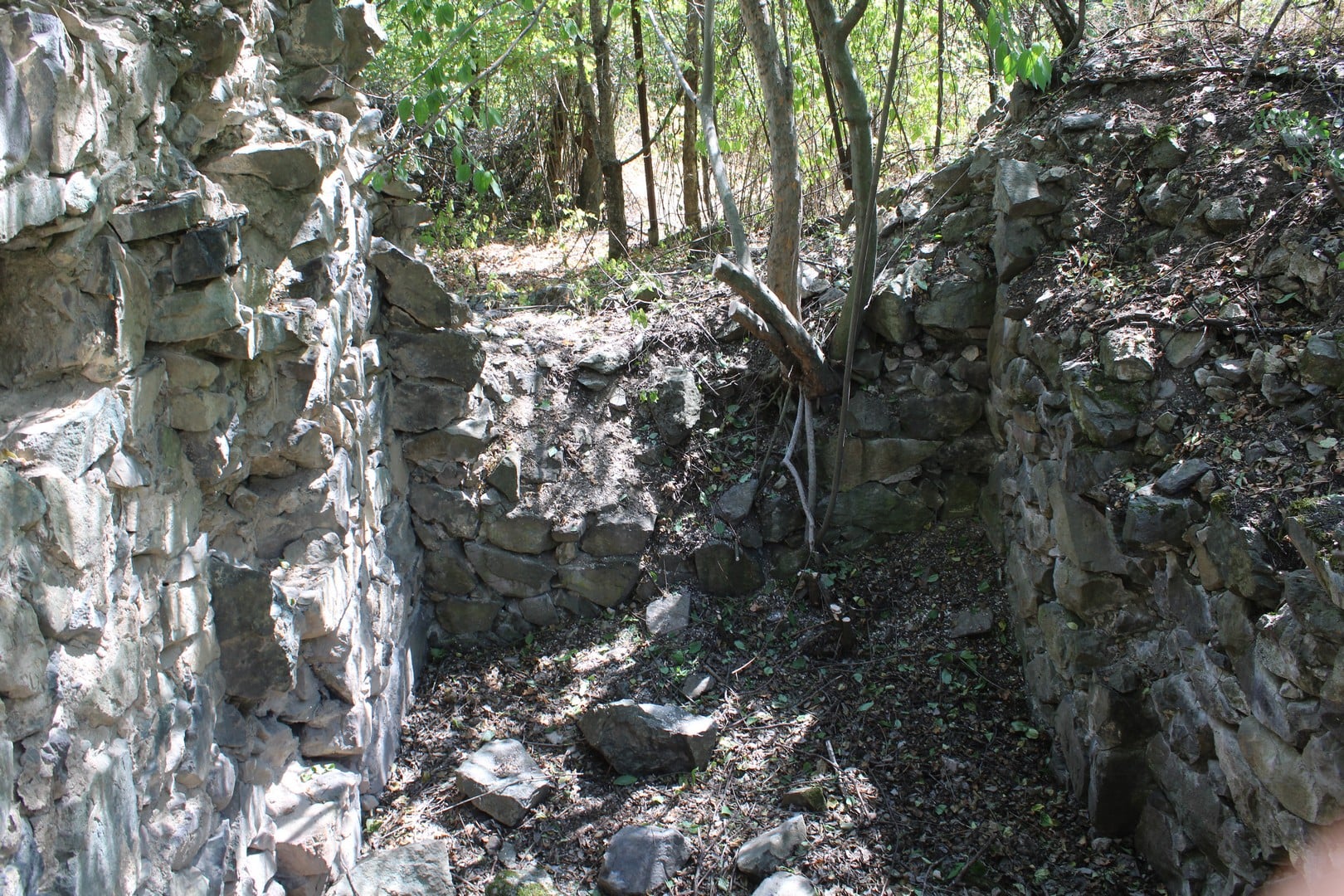
In Stepanos Orbelyan’s “History of the Syuniq”, regarding events of the 5th century, it is mentioned: “And Father Hovhannes came from Kapan; taking the monks, he went to the riverbank and asked the Lord to grant fish for the needs of the monks…” (p. 118). The settlement of Kapan mentioned by Stepanos Orbelyan is located on a low hill to the left of the road from today’s regional center of Syunik, the town of Kapan, leading to Kajaran, on the right bank of the Voghji River. The locals call this area, now entirely forested, “Tandzu Lenj” (Arm: “Slope of Pear Trees”). Already in the 5th century, this place was the site of a residence-fortress of the princes of Syunik, which by the 10th century had grown into a city, becoming the royal residence and capital of the Kings of Syunik. After the fall of the Kingdom of Syunik, the settlement lost its significance, was abandoned, and fell into ruin.
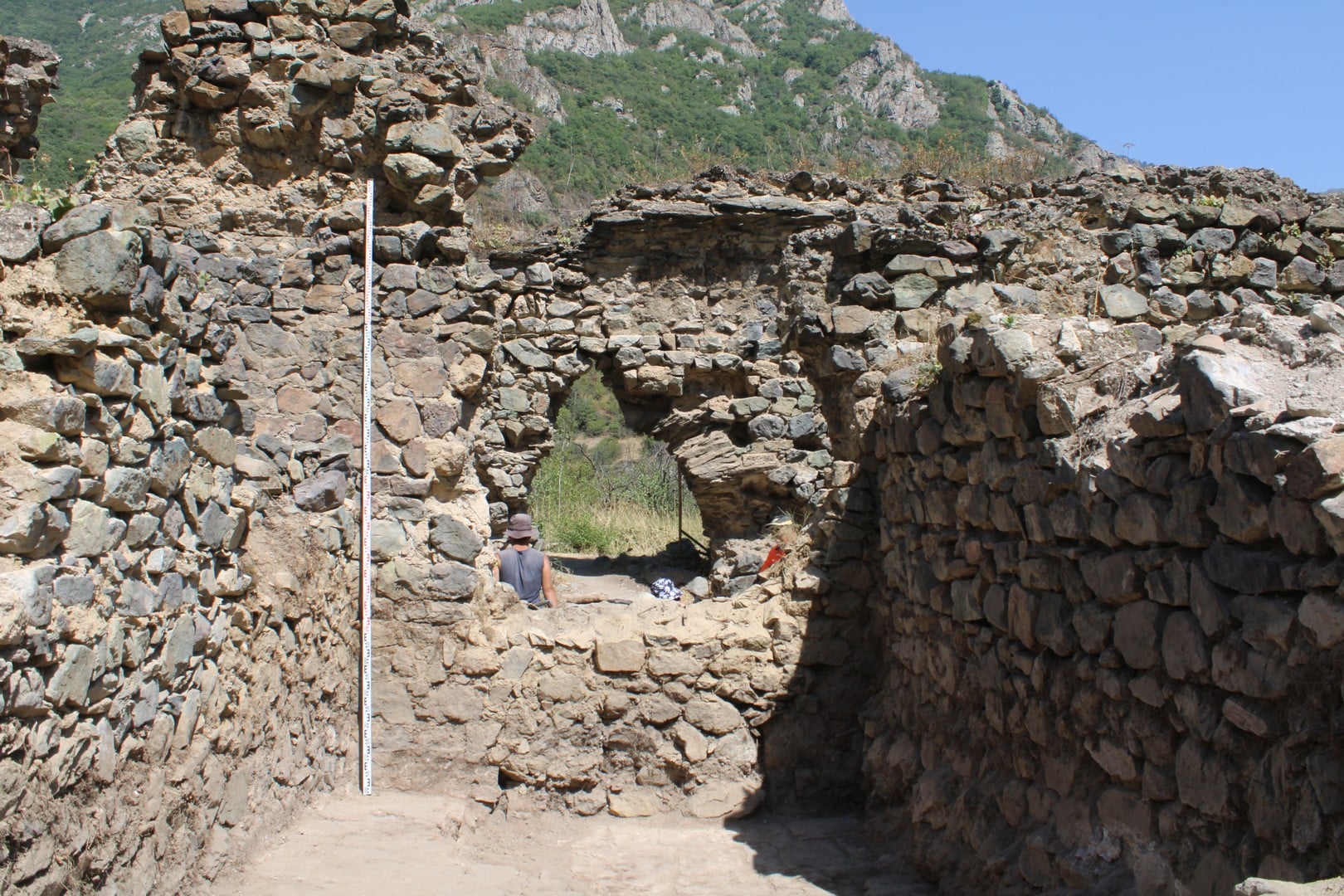
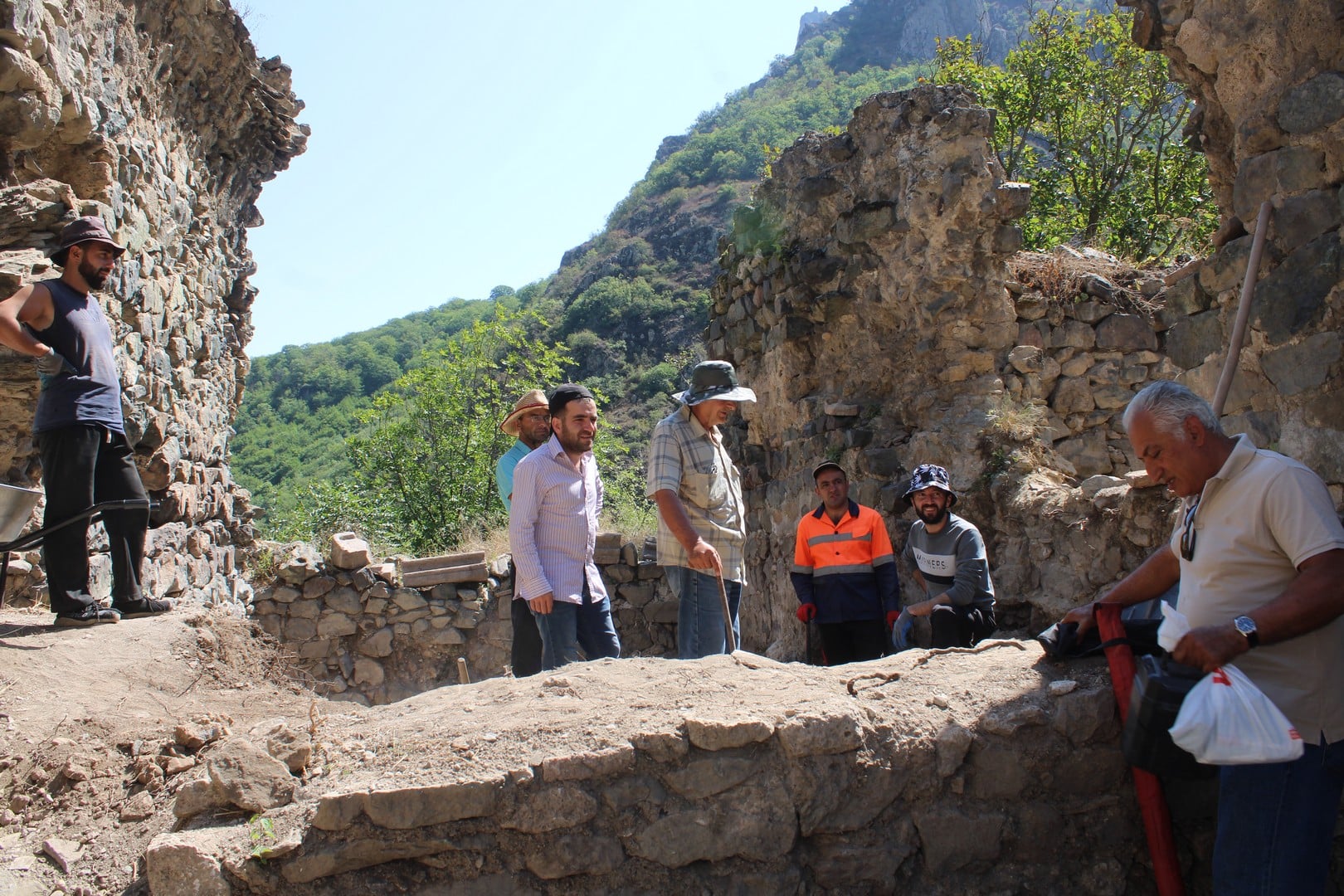
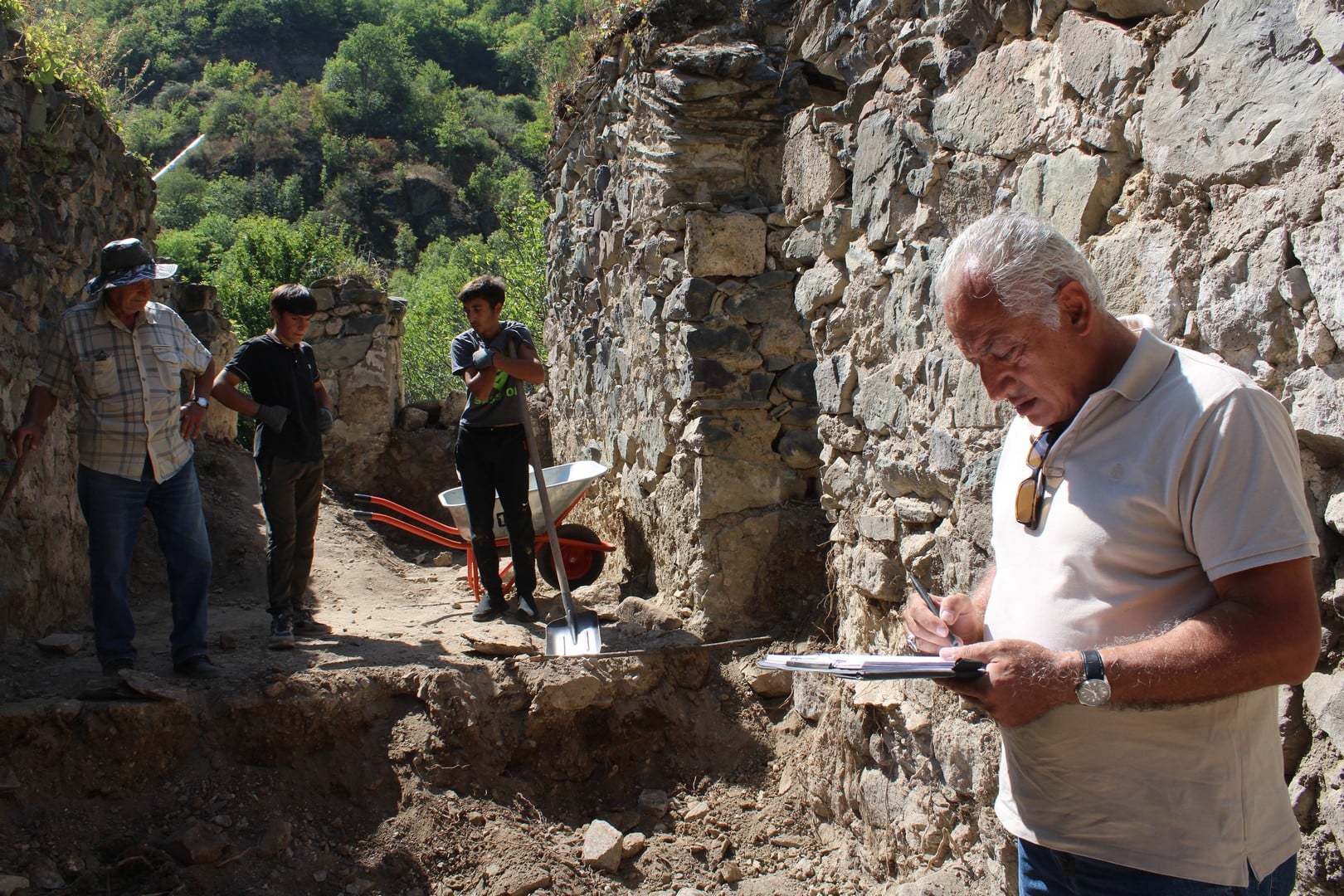
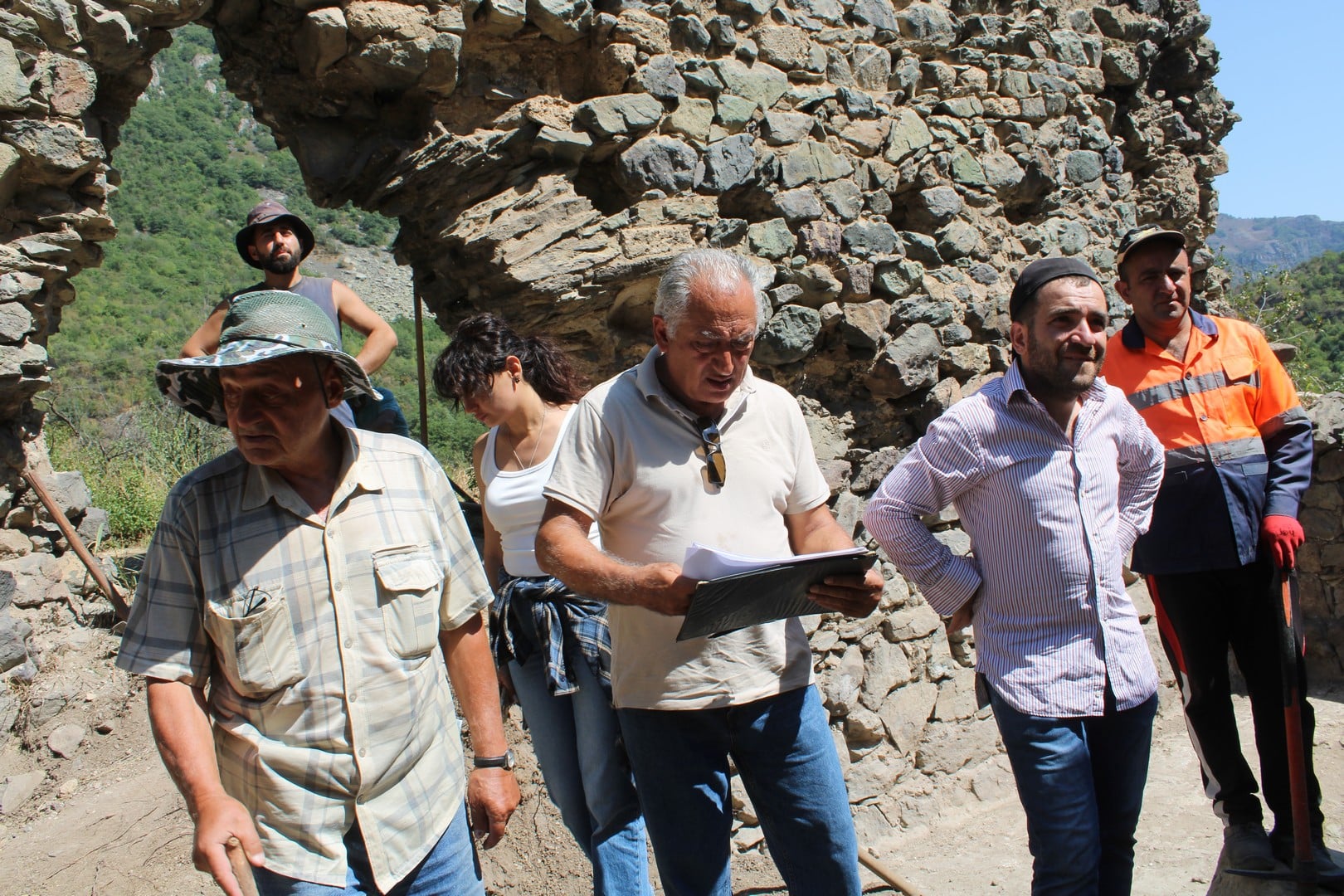
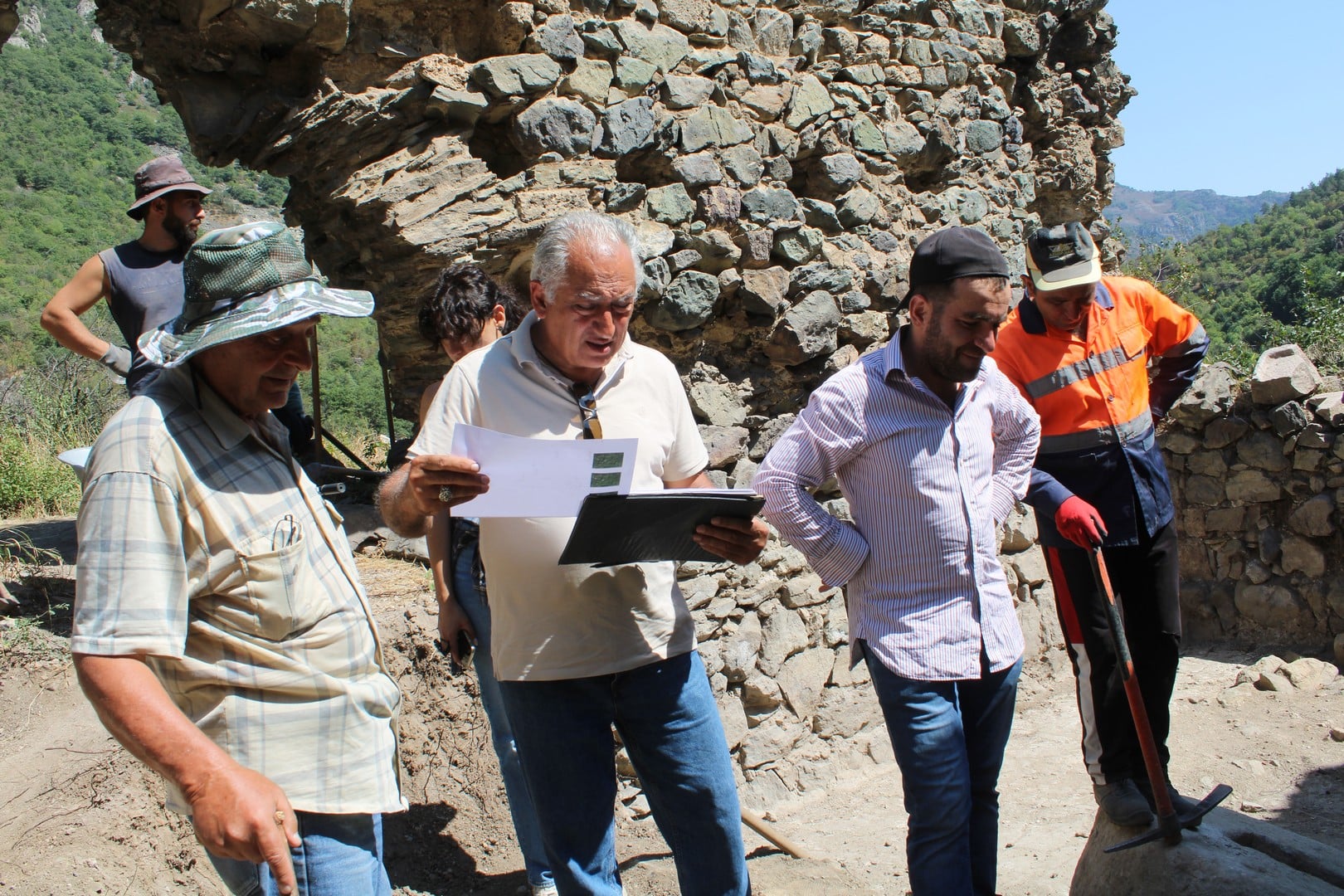
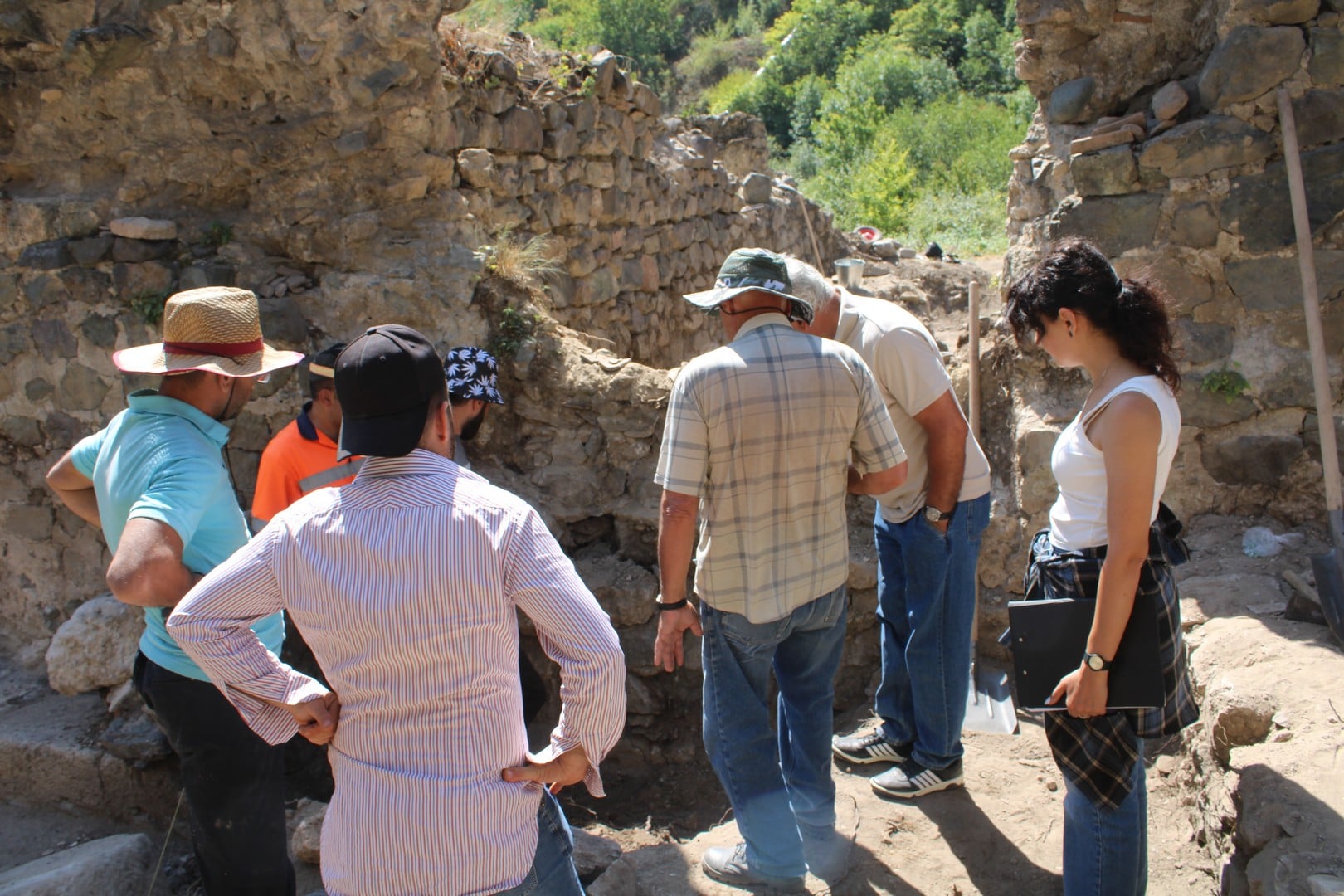
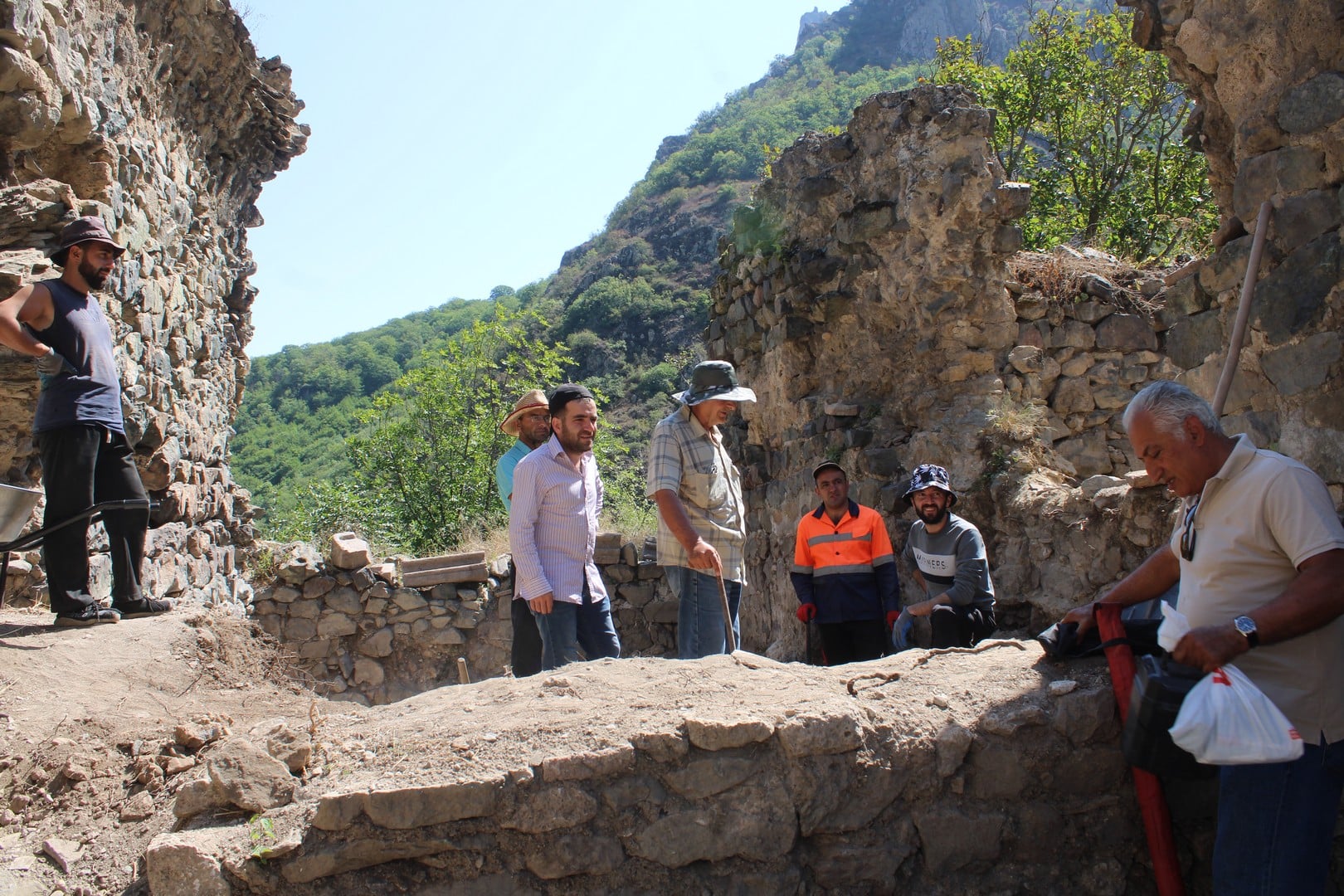
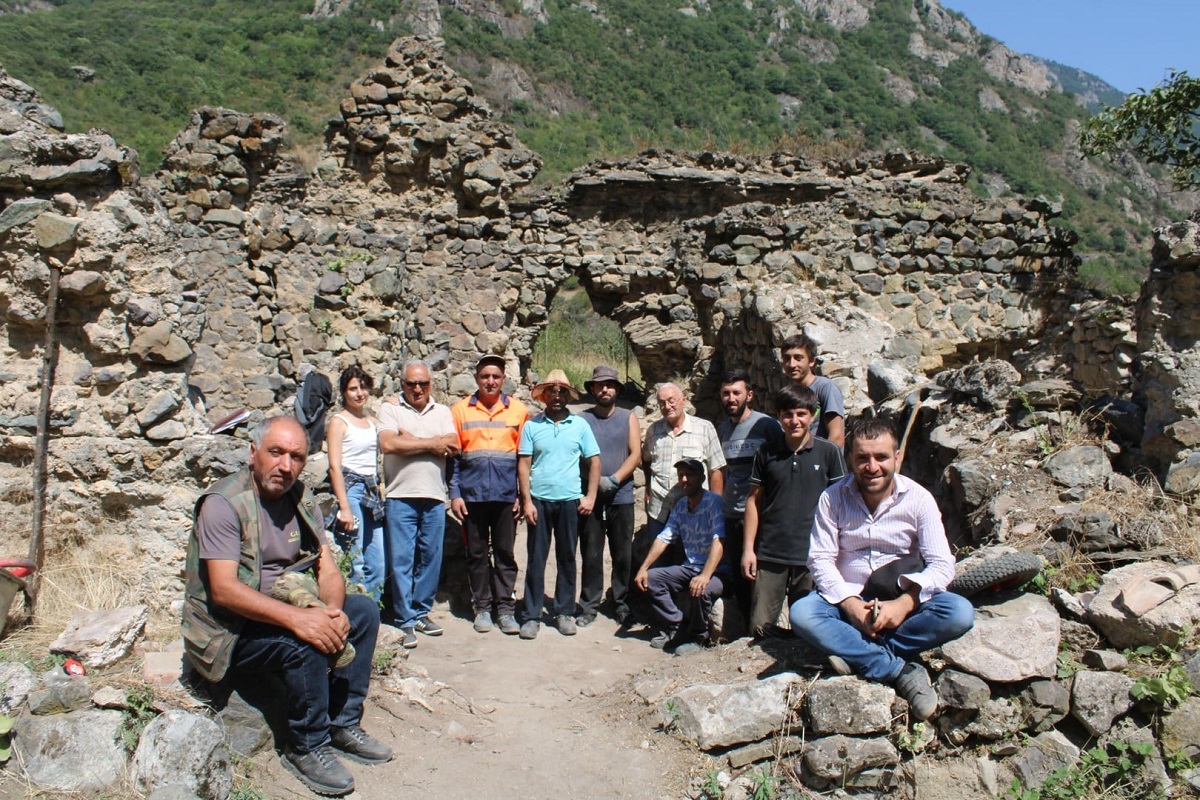
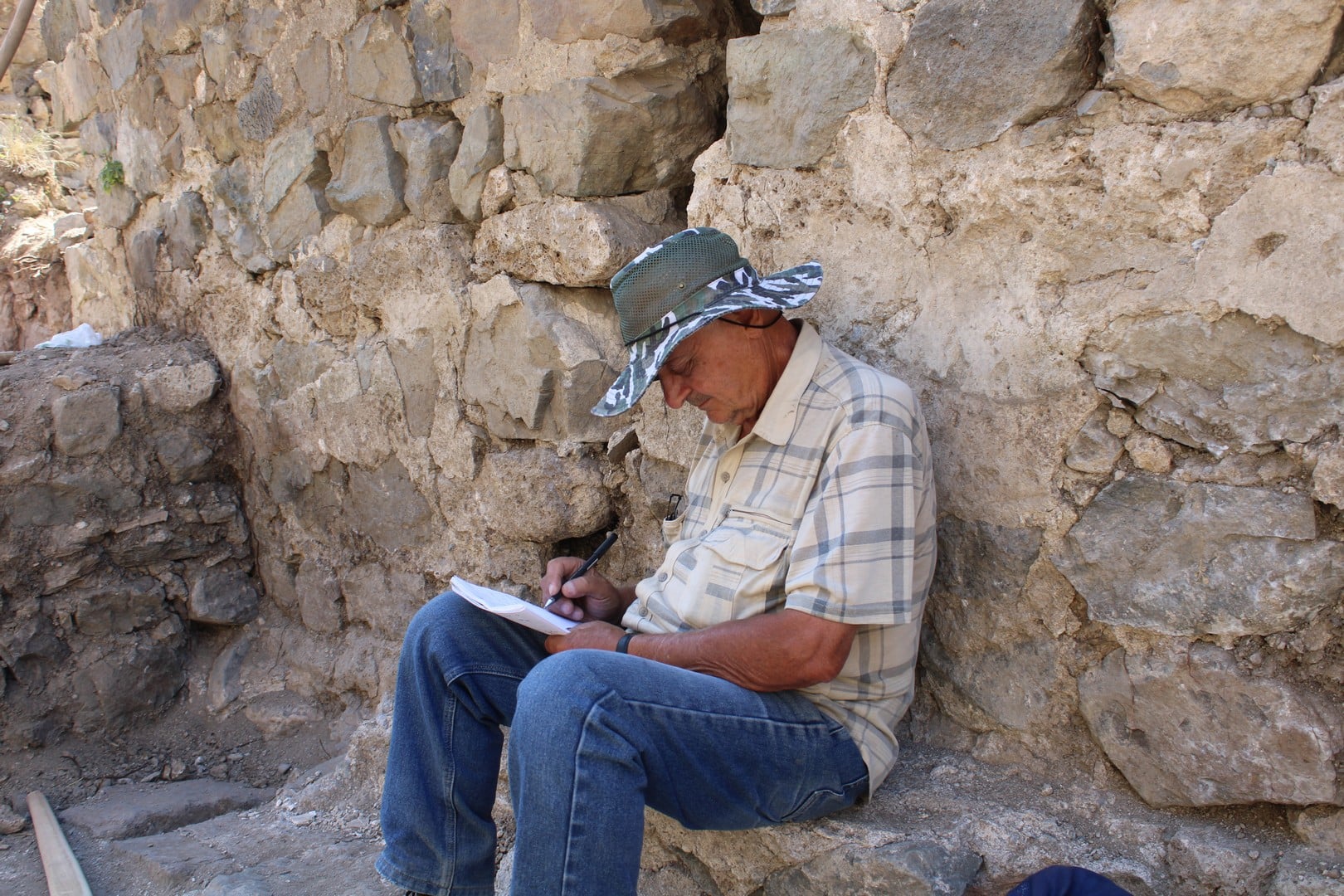
At present, the archaeological expedition of the Institute of Archaeology and Ethnography of the National Academy of Sciences of Armenia is conducting excavations at the site. According to the head of the excavations, archaeologist Gagik Sargsyan, some studies had already been carried out here during Soviet times, and the site had been recognized as a historical and cultural monument. However, such large-scale systematic excavations and complex studies are being conducted here for the first time. Numerous foundations, walls, and ruins of structures have been preserved at the site. Of particular interest is the royal palace, where the buildings belong to different periods. Under a later construction, the foundations and column bases of an earlier (4th–5th centuries) three-nave basilica church were discovered. A wall was later built along the edge of the horseshoe-shaped apse of the church. The original floor of the building was paved with stone slabs, but later a new pavement was laid on a layer of fill about 25 cm thick. Next to the church, a stone-built olive press about 1.2 m in diameter was also uncovered. About 30 m south of the so-called palace complex, the ruins of another building have been preserved, which was a small chapel with a rectangular apse. Despite the entire area being forested and overgrown with brush, it is clearly visible that the settlement-fortress was completely enclosed by walls. In some sections, the walls were built in two layers. On the eastern side of the structures, part of a once-massive tower about 4 m high has been preserved, from which one of the fortress entrances was located.
Excavations are ongoing, and archaeologists still have many questions to answer.
