Working Hours
Monday to Friday: 09:00 AM – 06:00 PM Saturday–Sunday: ClosedContact Information
Republic of Armenia, Yerevan, 0025, 15 Charents Street Email:info@iae.am Phone:+37410-55-26-45Find us on Facebook
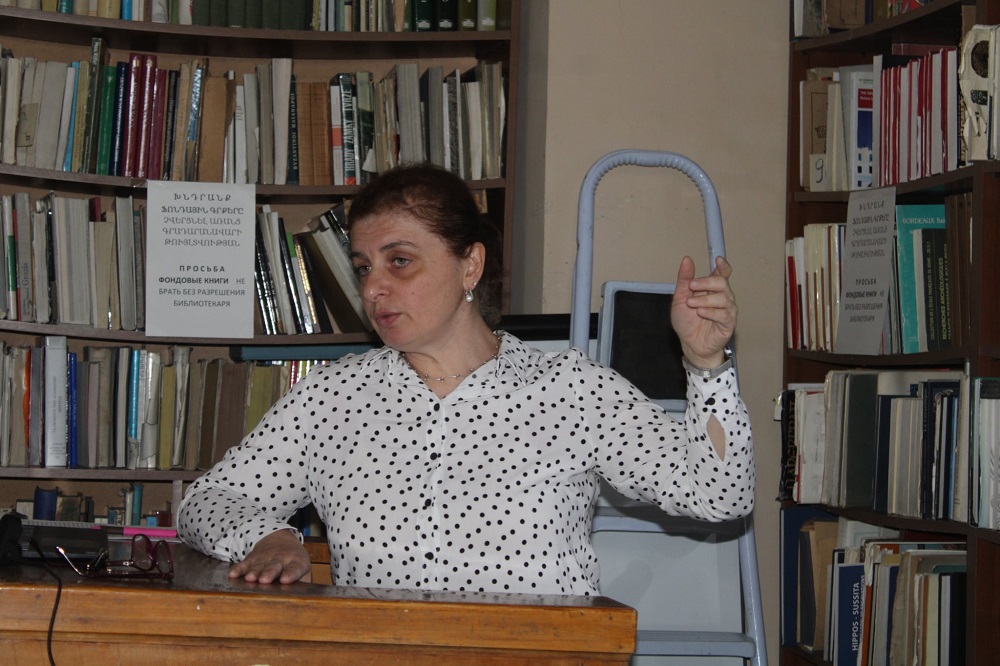
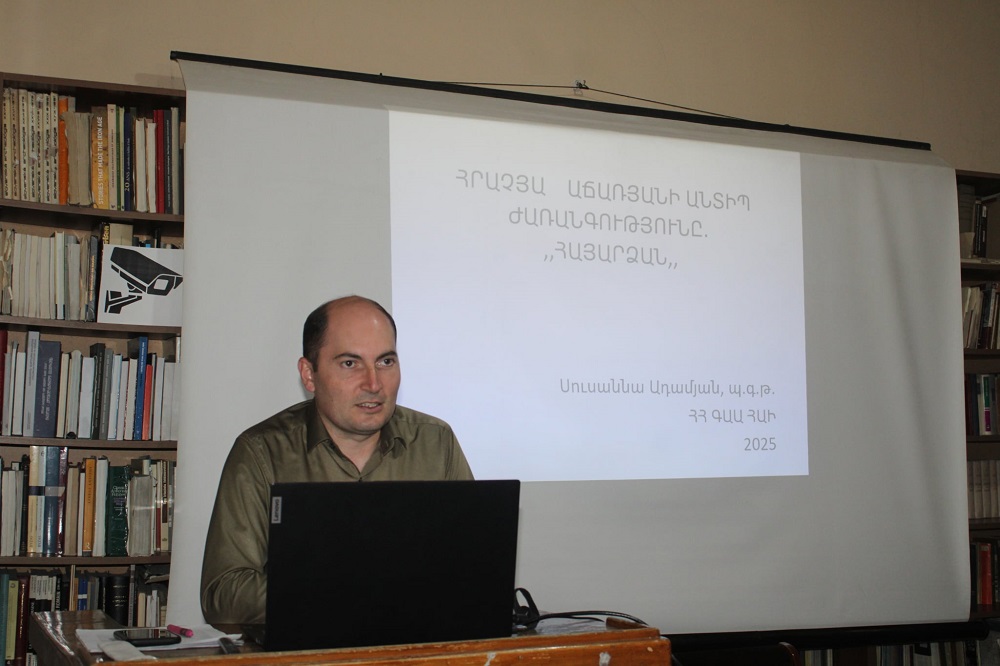
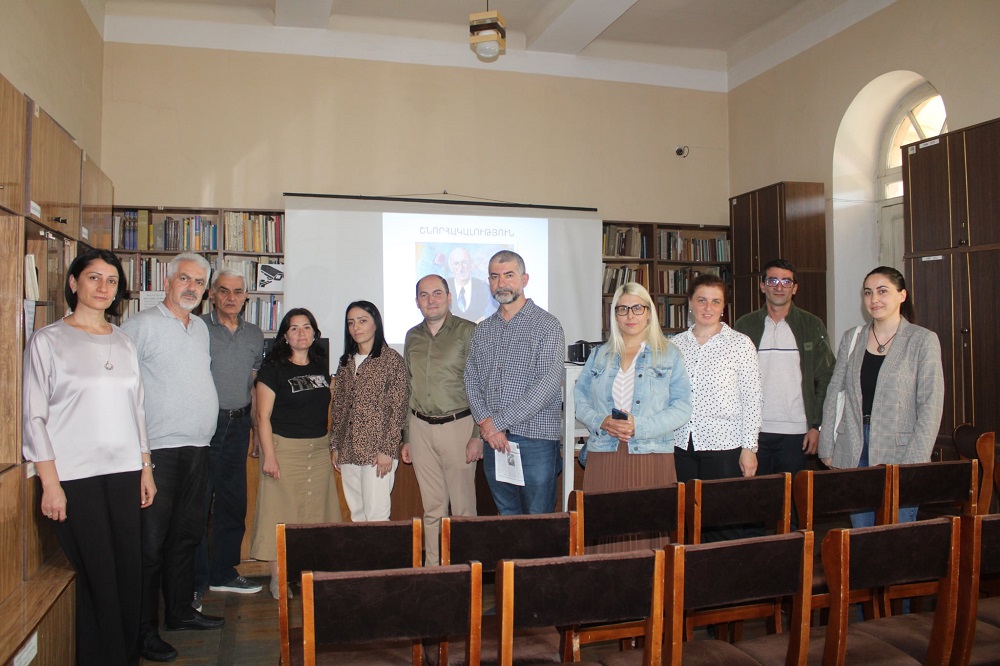
Lecture: “The Untypical Heritage of Hrachya Acharyan: Hayardzan.”
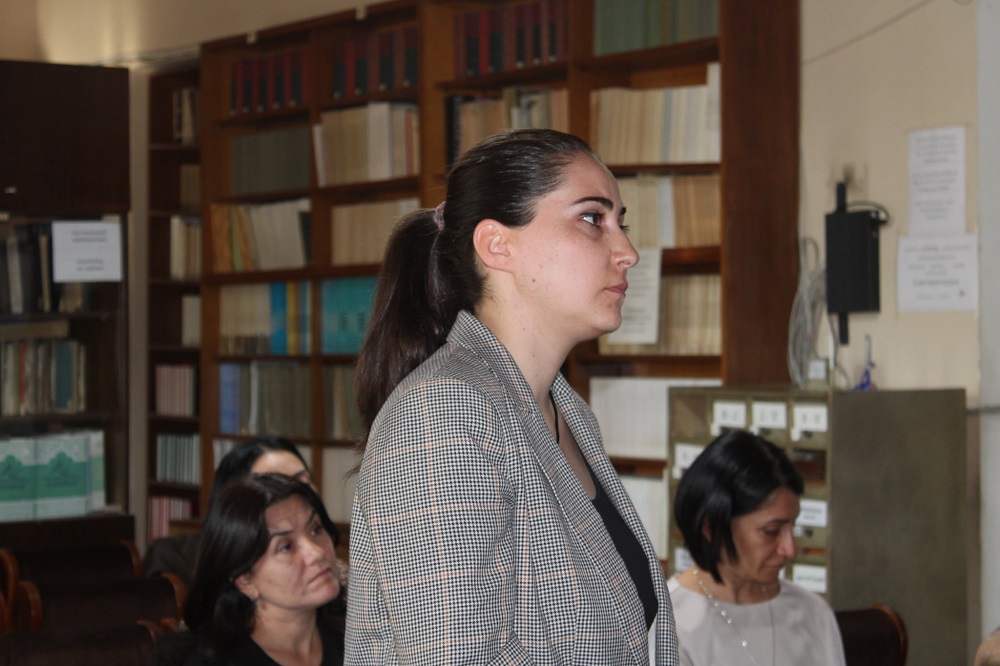
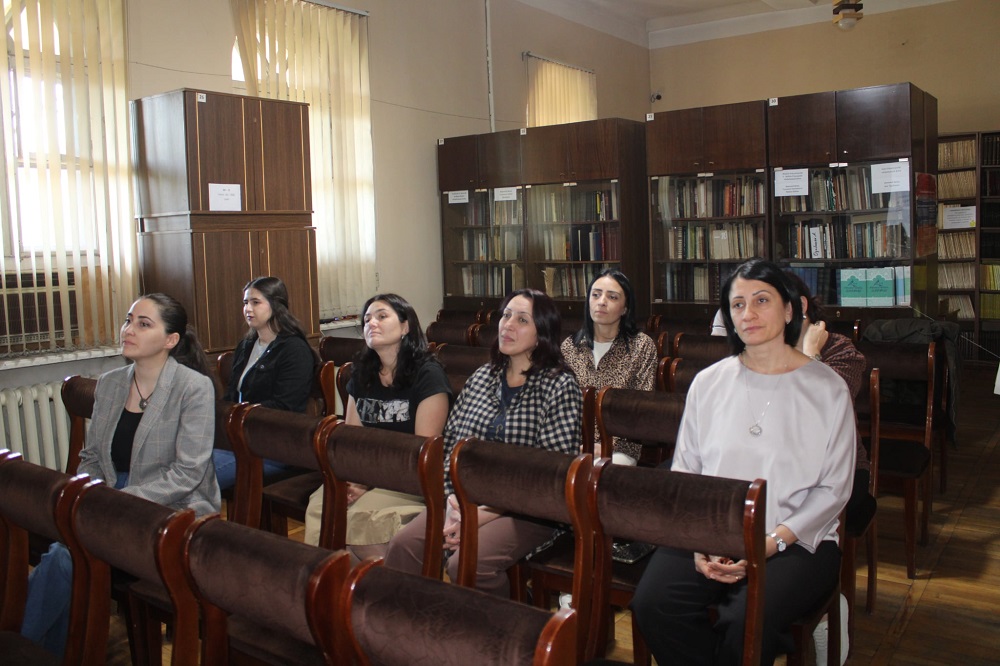
On September 25, the Departments of Epigraphy and Medieval Archaeology of the Institute of Archaeology and Ethnography, NAS RA, held a seminar in the Institute’s reading room as part of the “Medieval Studies Discussions” series. The presentation was delivered by Susanna Adamyan (PhD), a researcher in the Department of Epigraphy, on the topic “The Untypical Heritage of Hrachya Acharyan: Hayardzan.”
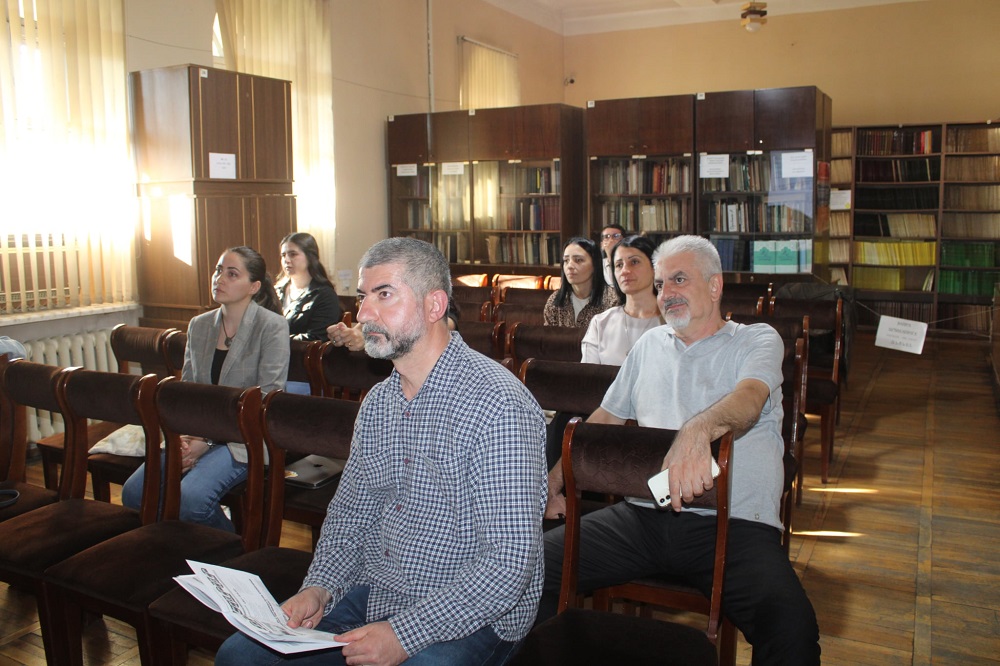
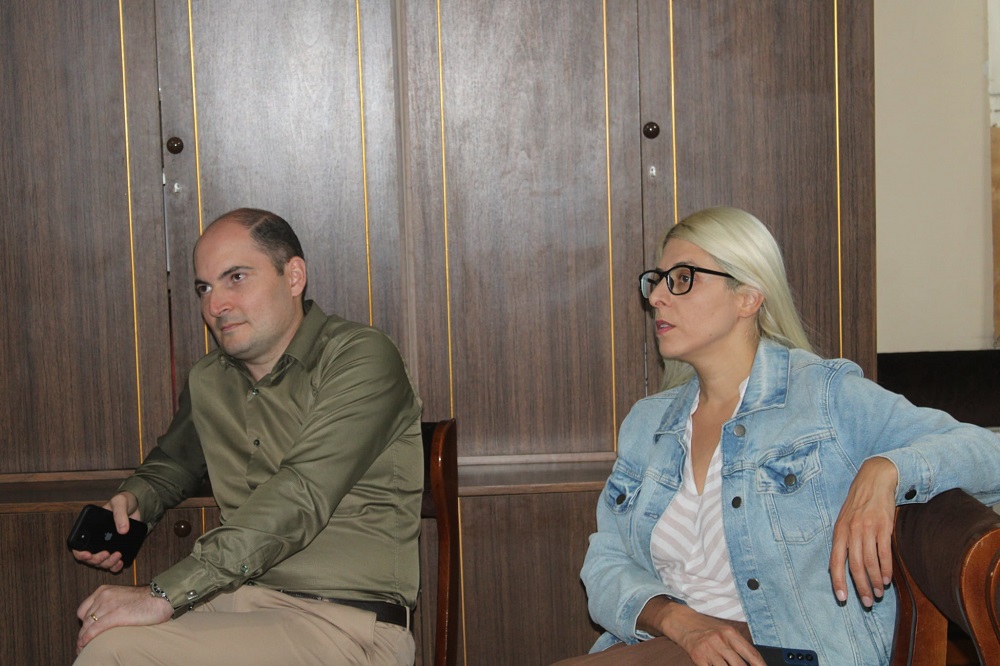
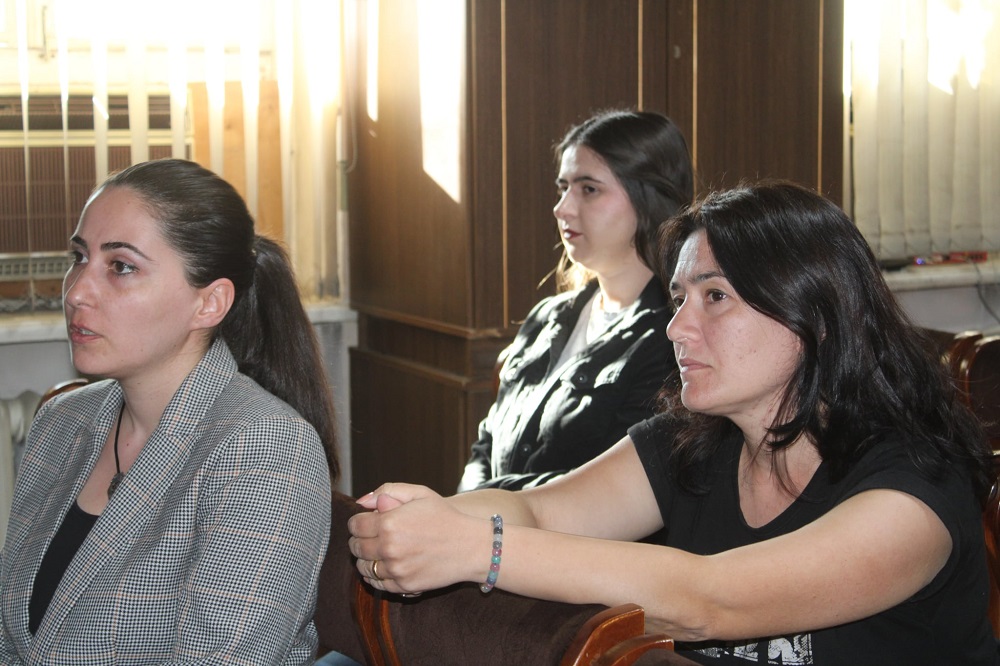
The event was attended by the Institute’s Deputy Director, Tork Dalalyan, scholars from various departments, and invited guests. The speaker was introduced by Arsen Harutyunyan (PhD), Head of the Department of Epigraphy, who noted that this was the first seminar of the autumn cycle. He highlighted the significance of Acharyan’s monumental, though unpublished, work, which has drawn the attention of many epigraphers since the time of Sedrak Barkhudaryan.
In her lecture, Adamyan first presented the biography of the eminent Armenian linguist Hrachya Acharyan, underlining his exceptional contribution to Armenian and world linguistics. She placed particular emphasis on Acharyan’s work “Hayardzan,” an extraordinary collection of Armenian epigraphic inscriptions comprising around 2,000 samples and 1,753 manuscript pages. The collection encompasses materials from Constantinople to Caucasian Albania, as well as from Iran, Georgia, and Russia. Adamyan pointed out that none of Acharyan’s biographers had mentioned the existence of this work, though epigraphers are now actively studying it. She also noted that the Yeghishe Charents Museum of Literature and Art has supported research on the manuscript. According to Adamyan, one of the key motivations for compiling “Hayardzan” was an award competition announced in 1912 by the Lazarev Institute of Oriental Languages.
The lecture concluded with a lively discussion. Participants posed questions, shared additional insights into Acharyan’s scholarly activities, and underscored the urgent need to publish this invaluable work.
