Working Hours
Monday to Friday: 09:00 AM – 06:00 PM Saturday–Sunday: ClosedContact Information
Republic of Armenia, Yerevan, 0025, 15 Charents Street Email:info@iae.am Phone:+37410-55-26-45Find us on Facebook
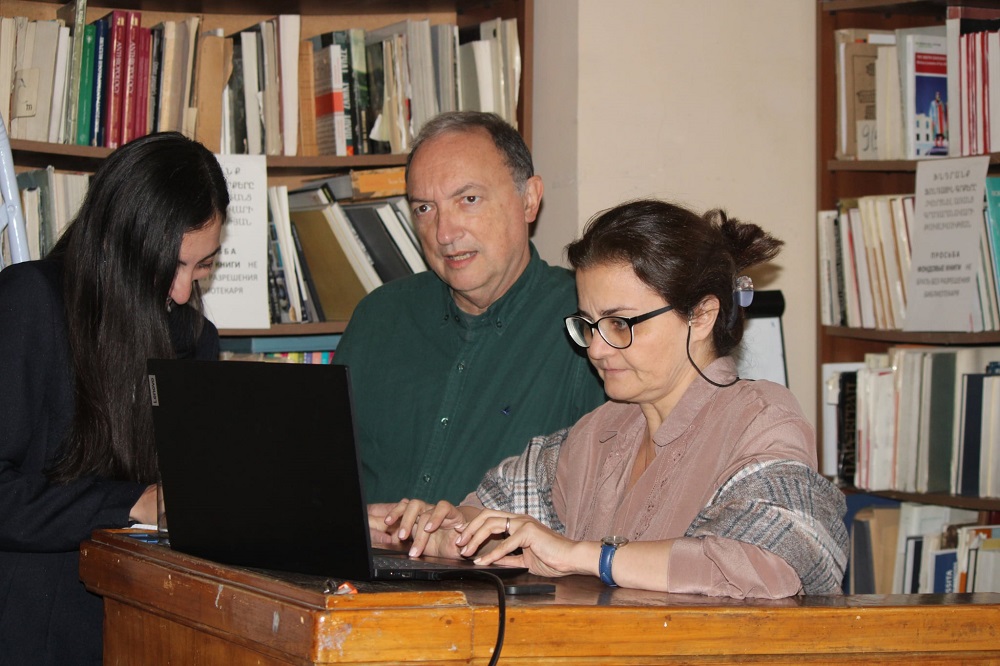
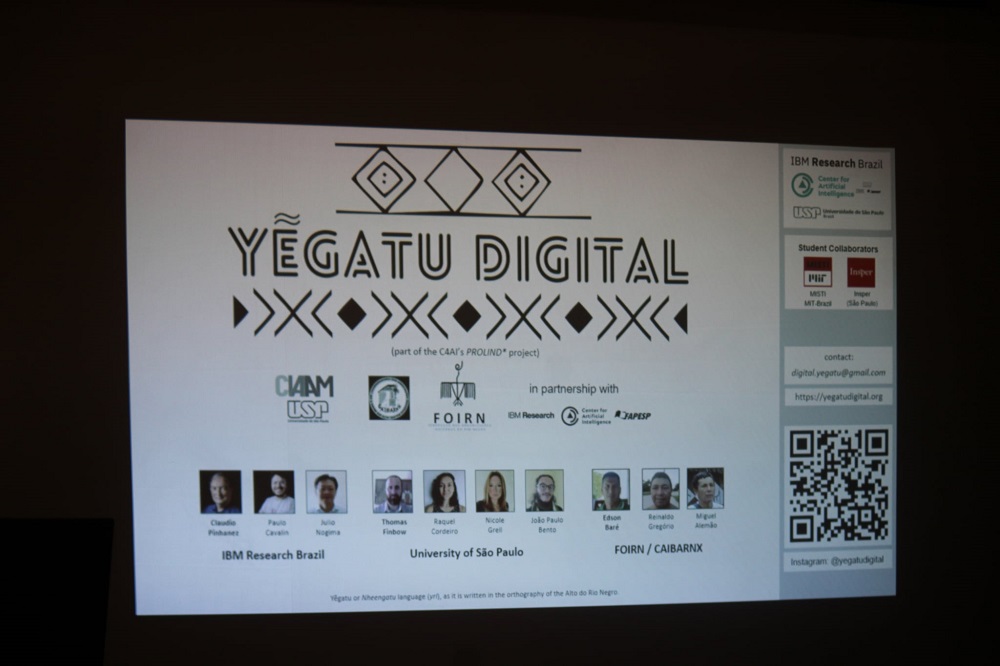
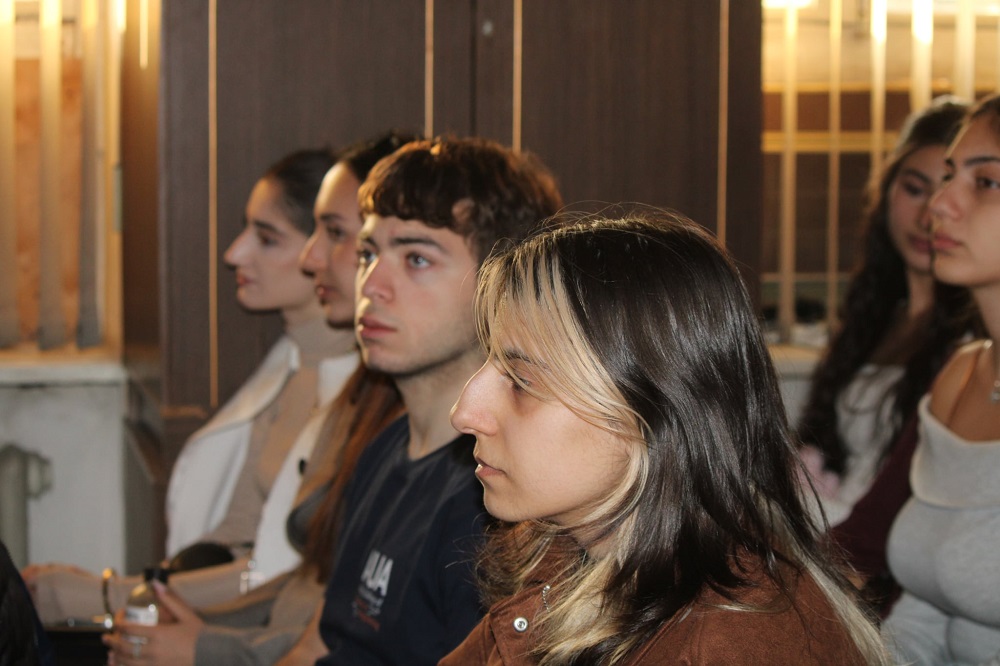
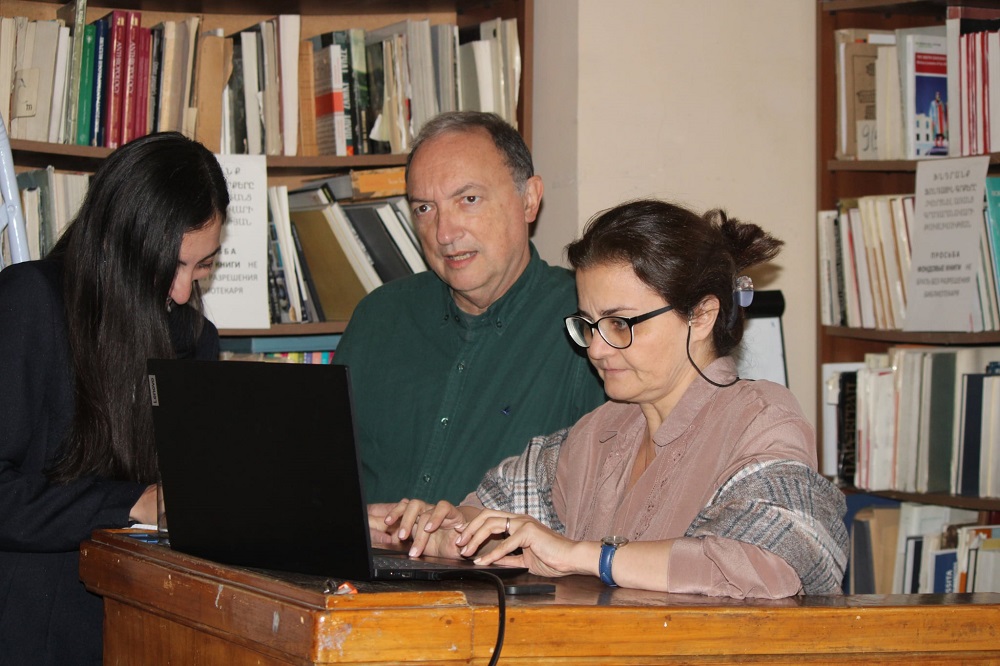
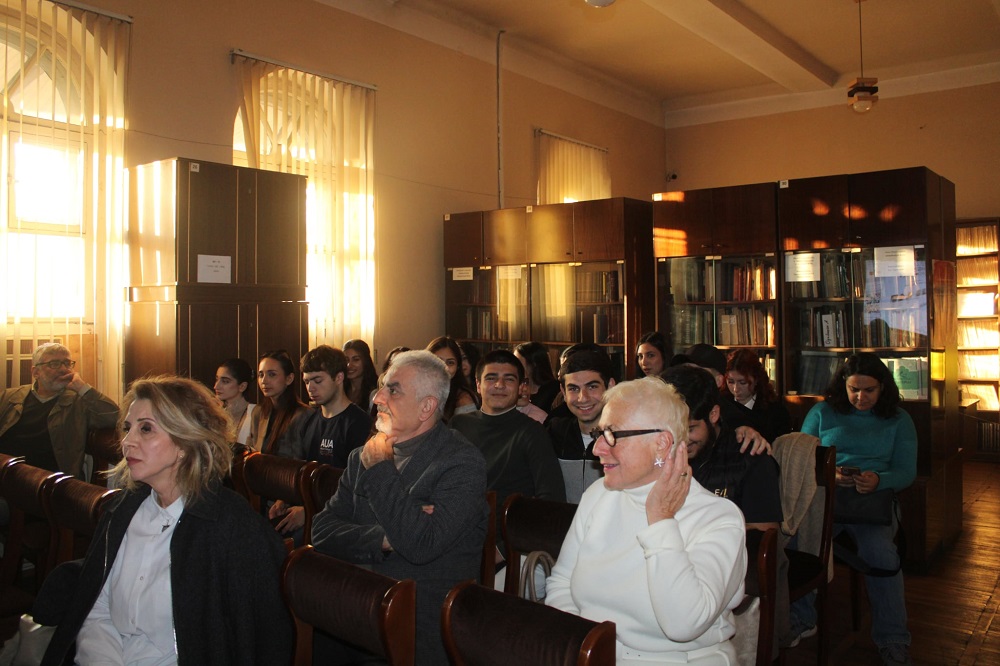
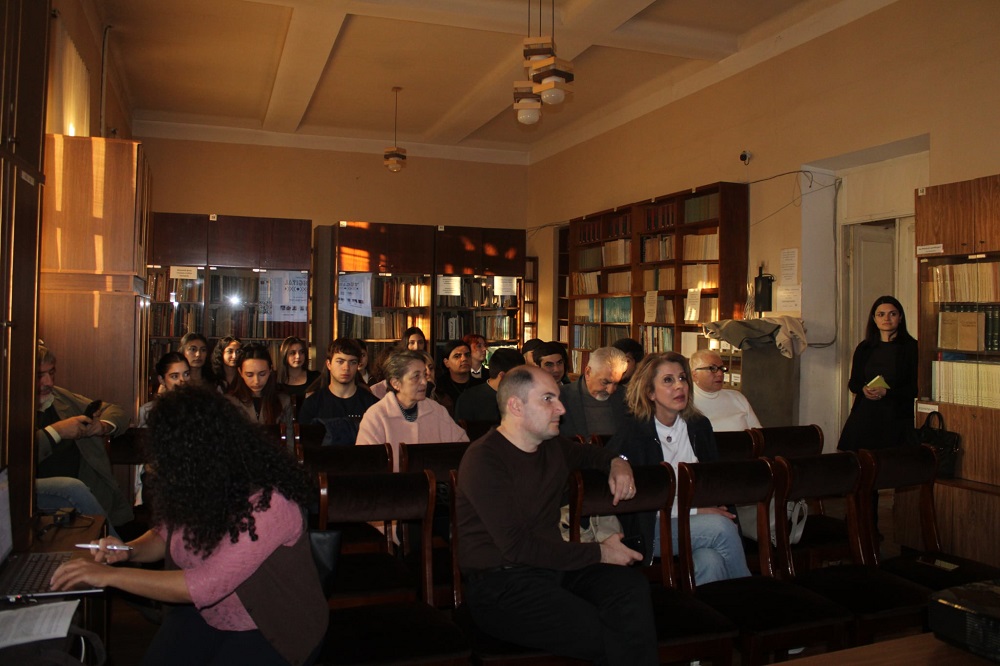
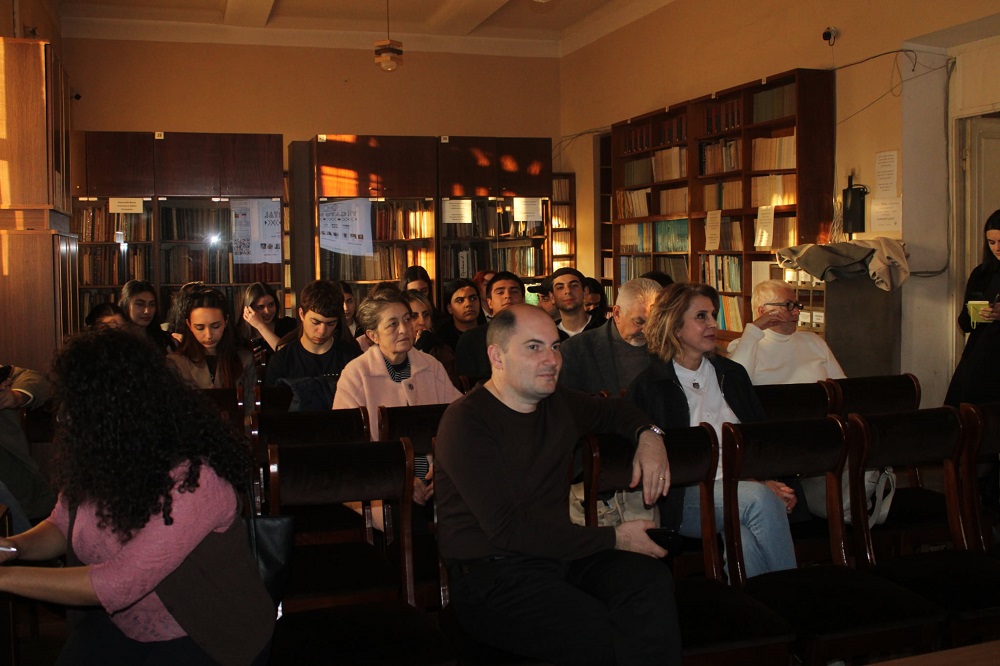
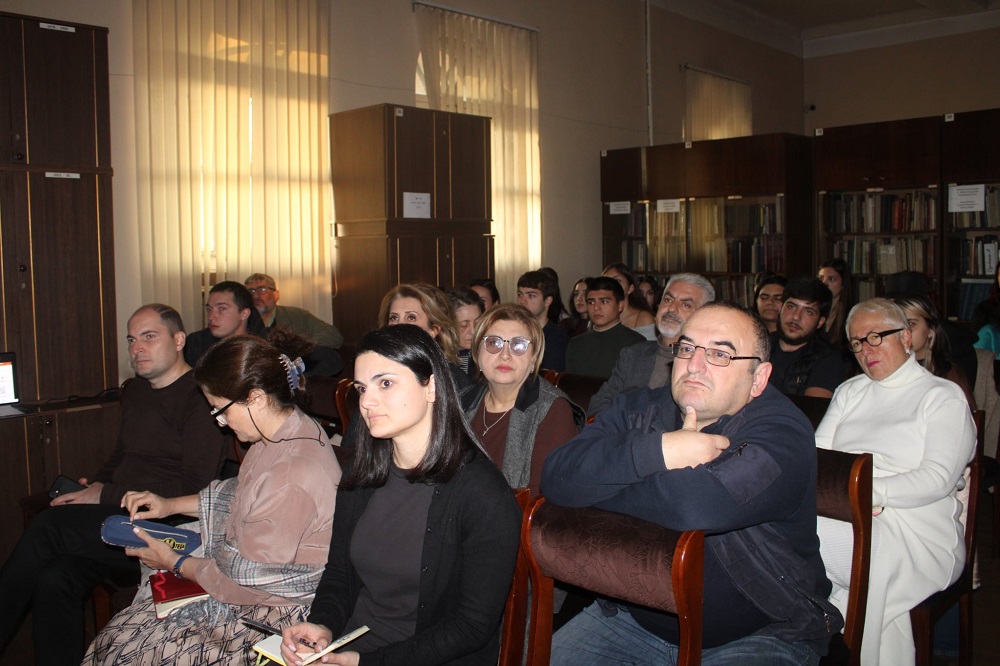
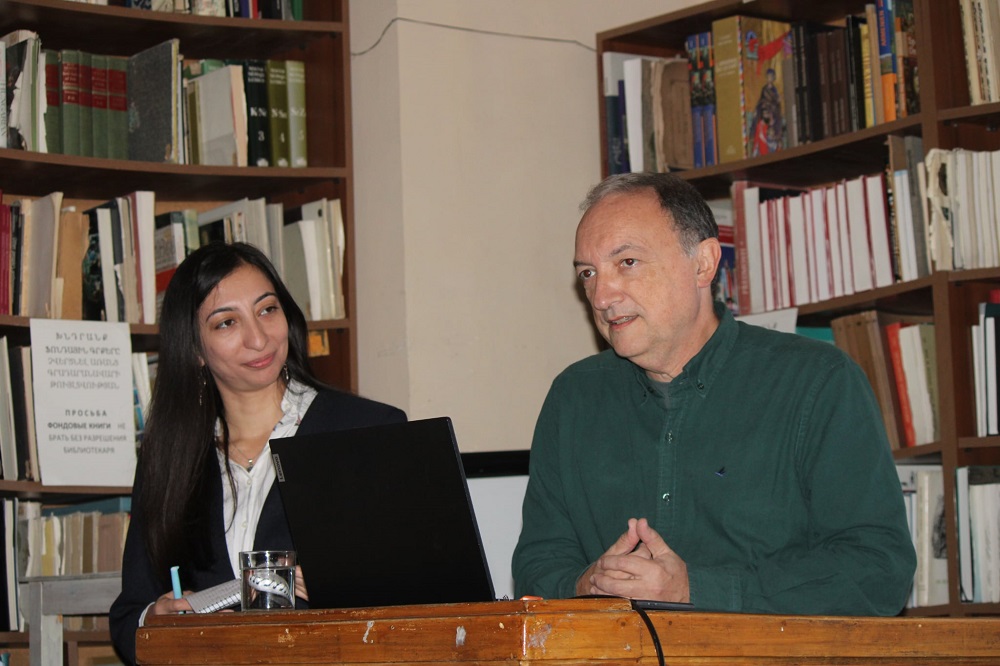
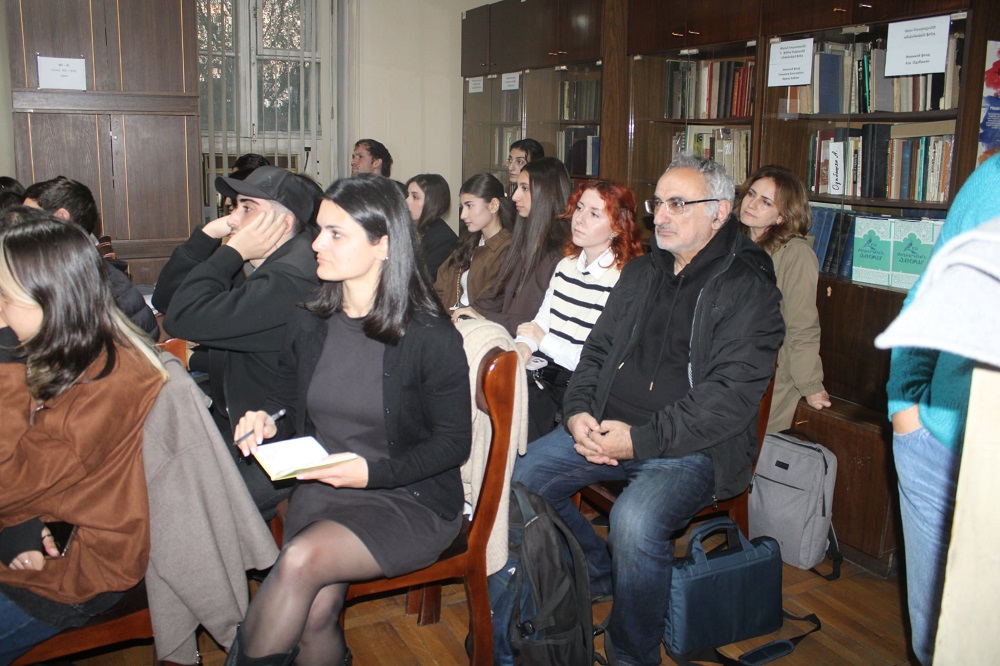
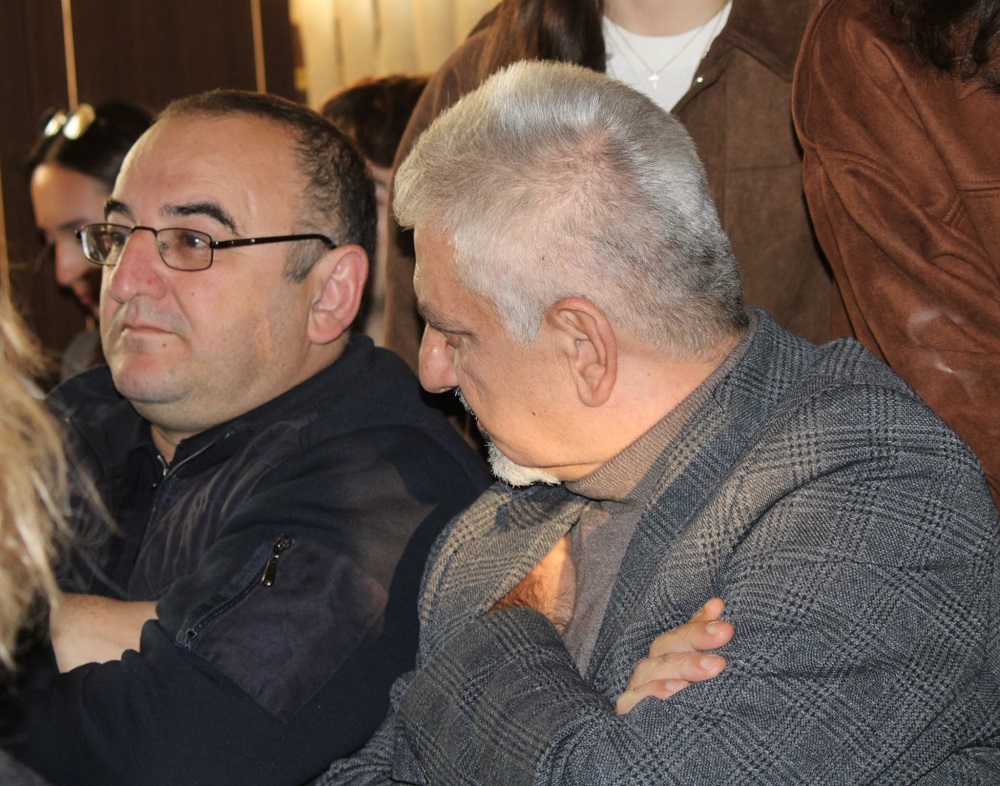
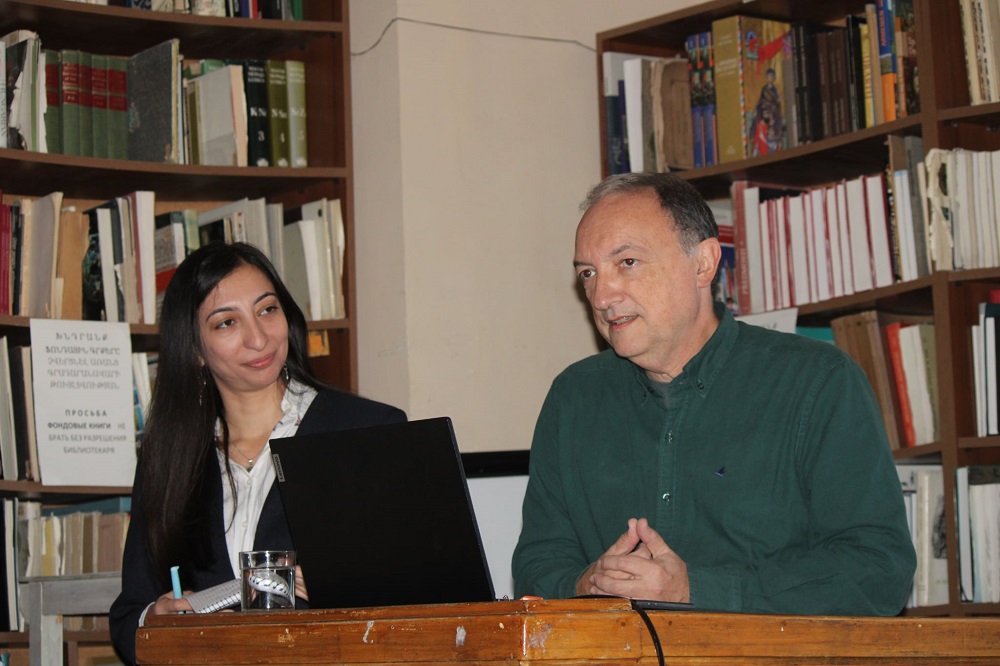
Lecture dedicated to the Ygatu Digital Project, a collaborative initiative between IBM Research Brazil and the University of São Paulo
On November 5, an interesting lecture dedicated to the Ygatu Digital Project, a collaborative initiative between IBM Research Brazil and the University of São Paulo, was held at the library of the Institute of Archaeology and Ethnography of the National Academy of Sciences of the Republic of Armenia (IAE NAS RA). At the beginning of the event, attention was drawn to the issue of preserving endangered languages of indigenous peoples, within which the preservation of the Artsakh dialect was also emphasized as an essential component of intangible cultural heritage.
The lecture, which was the second in the series “Crisis and Memory: Laboratory of Digital Oral Histories,” was delivered by Dr. Claudio Pinhanez, Professor and Deputy Director of the Center for Artificial Intelligence at the University of São Paulo, and Principal Researcher at IBM Research Brazil. The audience included staff members of various IAE departments, students, and others interested in the topic. The lecture was conducted in English with simultaneous interpretation into Armenian.
The speaker noted that one of their main goals is the preservation of Brazil’s forests—a mission historically carried out by local indigenous communities, who continue traditional tree-planting and environmental practices. He presented several digital projects implemented among indigenous communities in South America, particularly in the Amazon region, aimed at fostering community engagement and preserving cultural identity.
Dr. Pinhanez also introduced a joint project of IBM Research and the University of São Paulo, which he has led since 2022. The project applies digital and artificial intelligence tools, such as spell checkers, next-word prediction systems, and digital dictionaries, to promote the use of endangered indigenous languages. The initiative focuses on the documentation and revitalization of the languages of Brazil’s indigenous peoples. Through photographs and video materials, Dr. Pinhanez showcased ongoing work with the Baré people of the Amazon, including the creation of two digital learning centers to be launched in July 2025. The uninterrupted operation of these centers will be ensured through the use of solar energy.
The event concluded with a lively question-and-answer session and open discussion.
