Working Hours
Monday to Friday: 09:00 AM – 06:00 PM Saturday–Sunday: ClosedContact Information
Republic of Armenia, Yerevan, 0025, 15 Charents Street Email:info@iae.am Phone:+37410-55-26-45Find us on Facebook
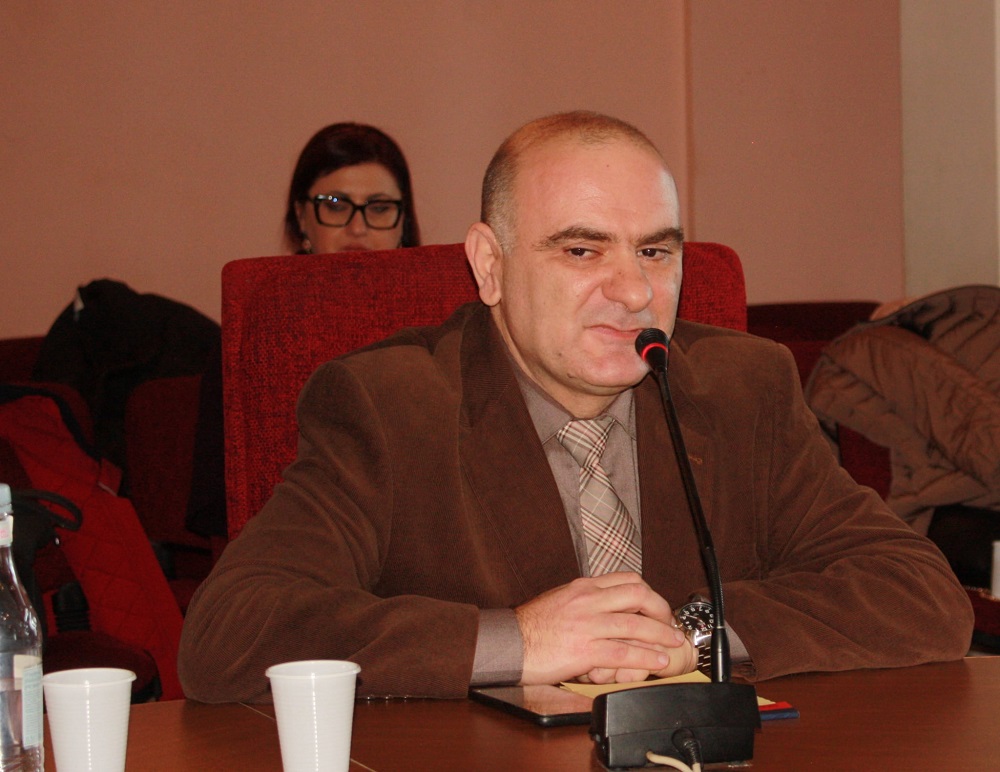
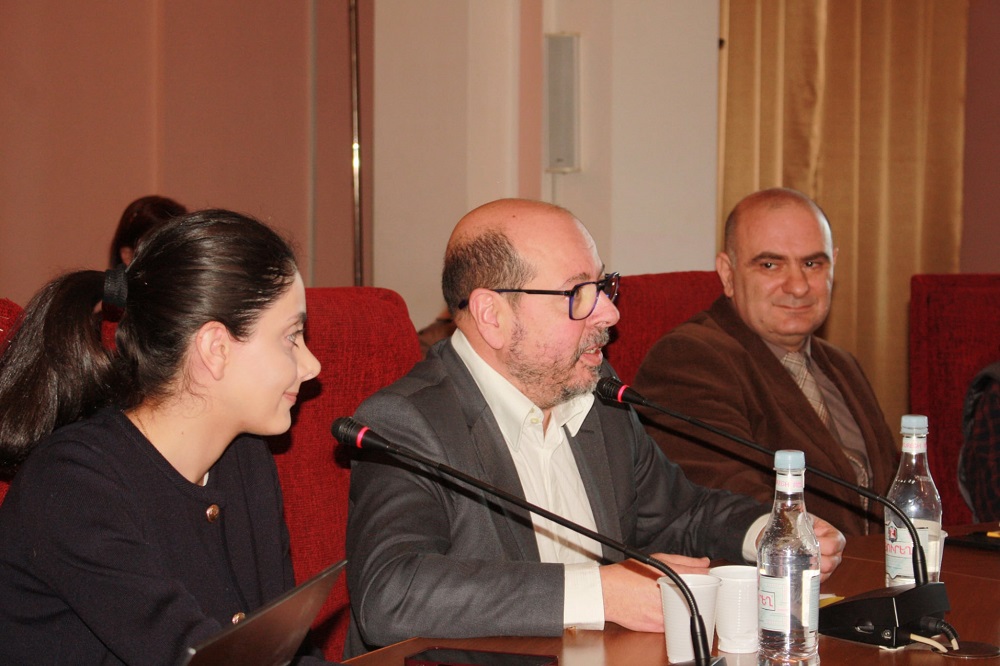
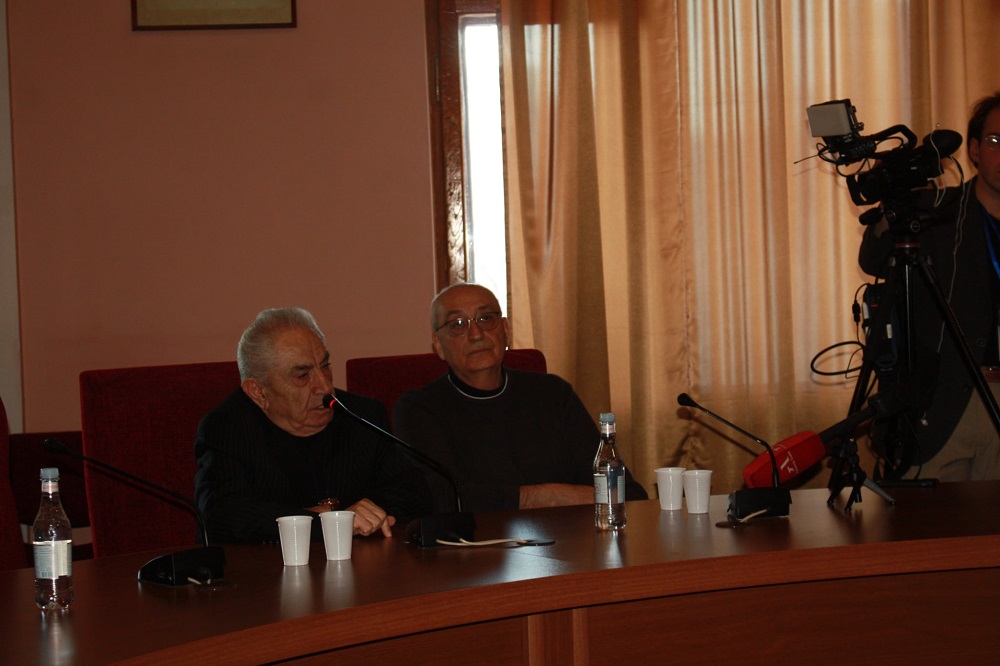
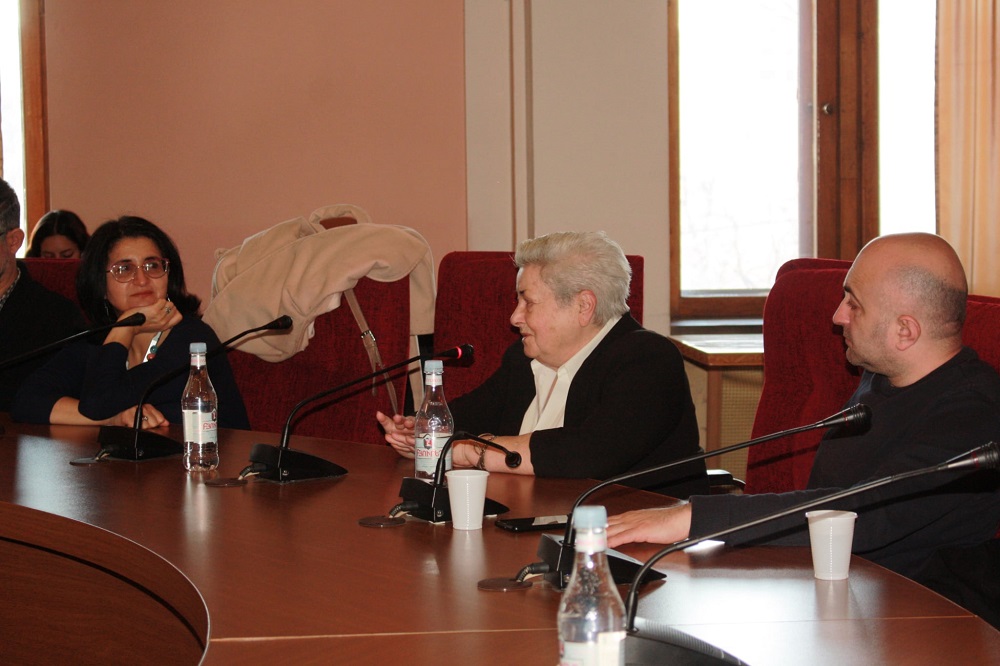
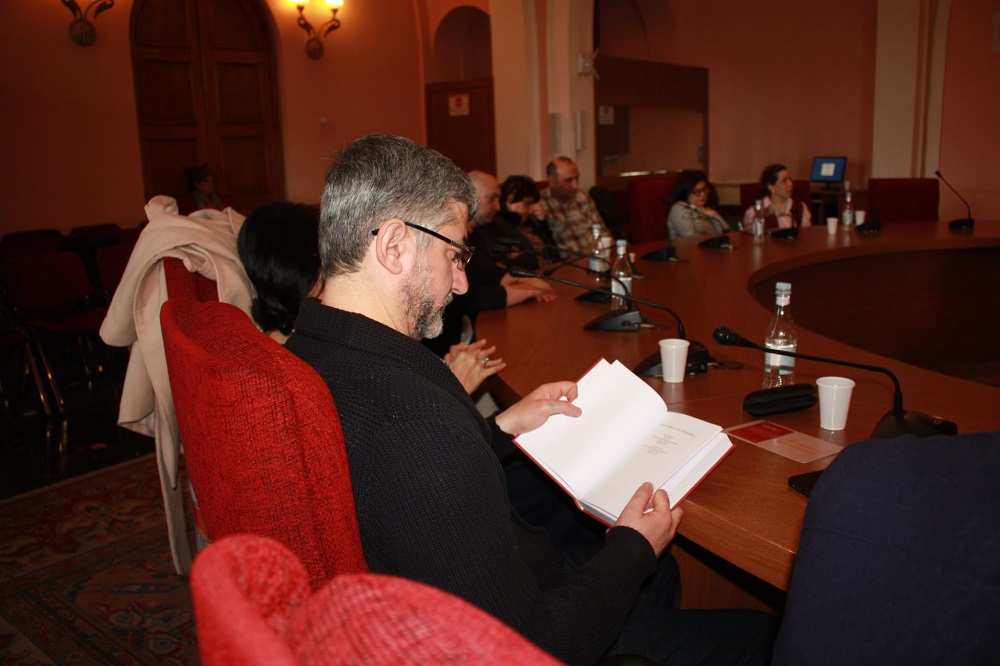
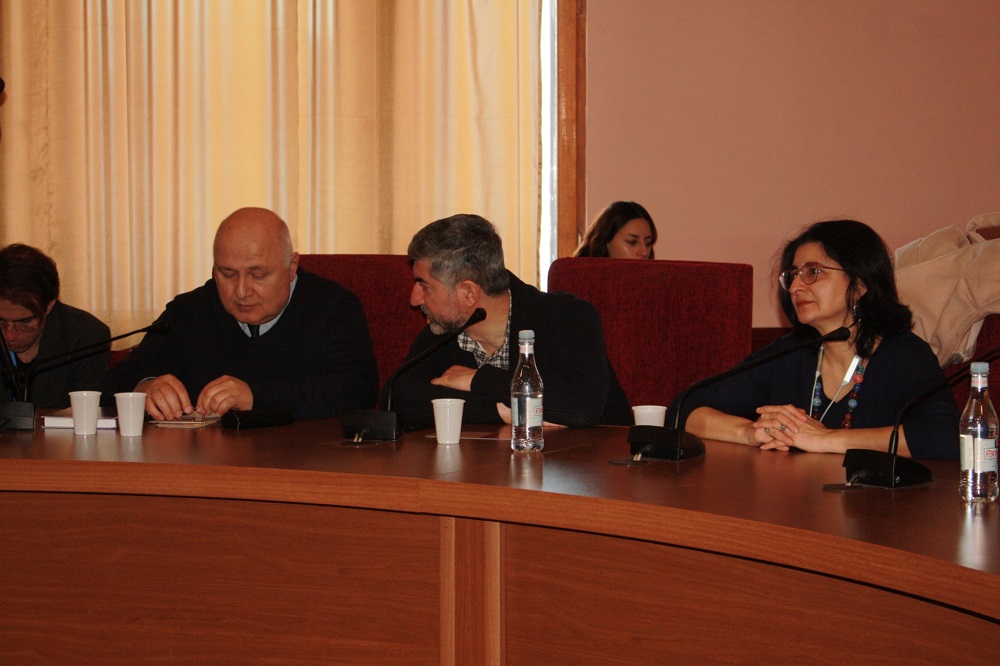
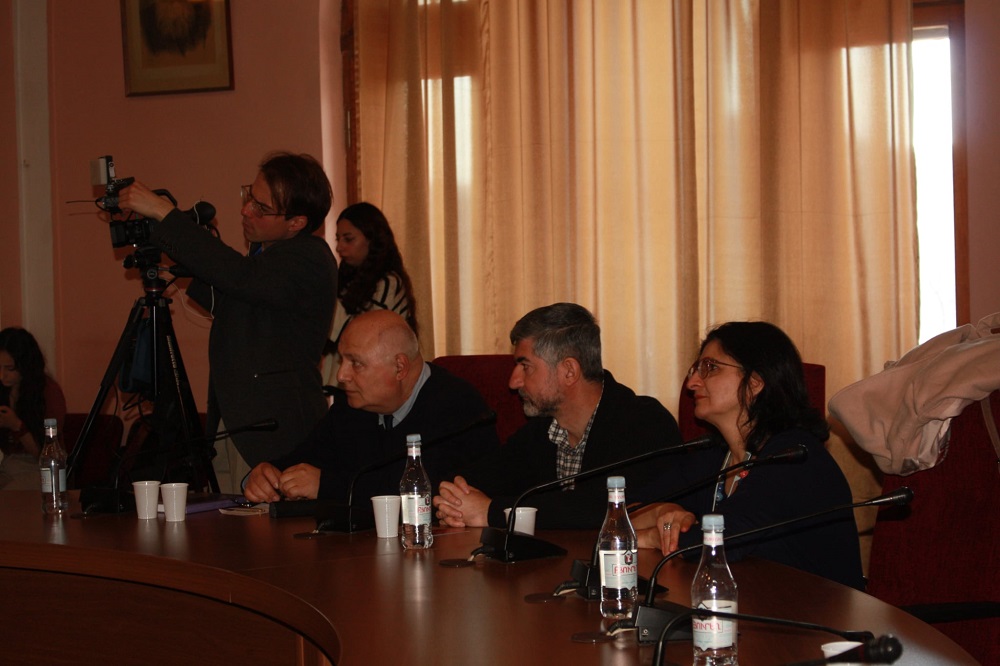
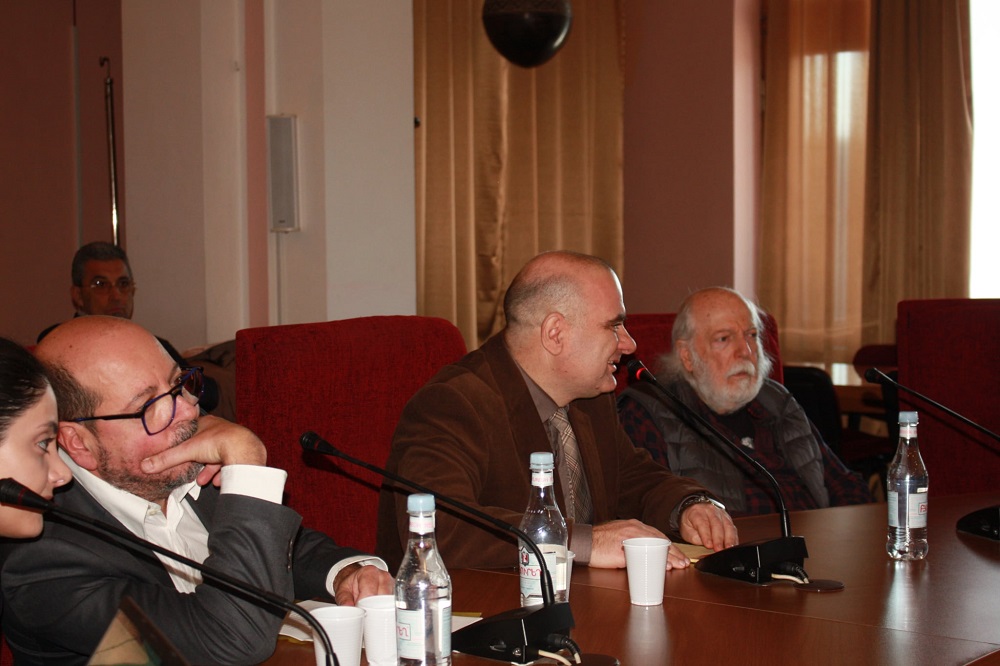
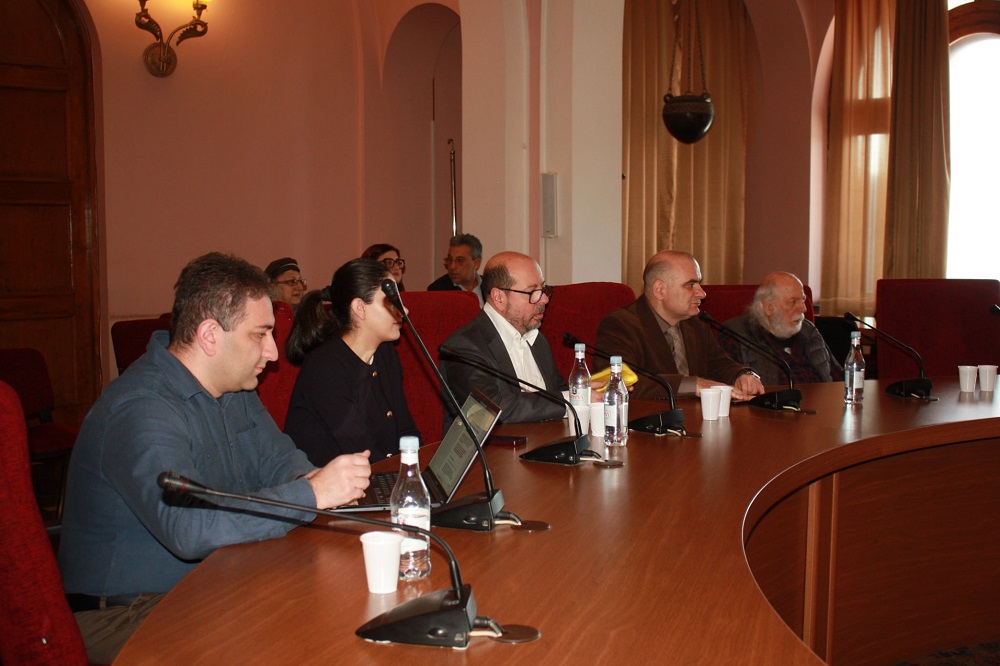
The presentation of the book “Conflict, Space and Transnationalism: An Ethnography of the Second Nagorno-Karabakh War” took place.
On 25 February 2026, a presentation of the newly published book Conflict, Space and Transnationalism: An Ethnography of the Second Nagorno-Karabakh War (Palgrave Studies in Urban Anthropology, 2025) was held for in the conference hall of the National Academy of Sciences of the Republic of Armenia. The book is co-authored by Arsen Hakobyan, researcher from the Institute of Archaeology and Ethnography, and Marcello Mollica from University of Messina, Italy, and recently released by the reputable academic publisher Palgrave Macmillan.
The work is a comprehensive study of the Nagorno-Karabakh conflict and the 44-day war, examining the wartime experiences of Artsakh Armenians during the 2020 war in the light of the broader historical context and the deeper developments of the conflict. The book analyzes the transnational dimensions of the war, including the involvement of external actors and factors, and addresses the wartime and post-war trajectories of the capital Stepanakert and the historic center Shushi, as well as their relation to questions of identity and belonging. It also discusses the practical, political, and ideological aspects of the destruction and forced appropriation of Armenian cultural heritage.
The event was attended by the authors, staff members of various structures of the National Academy of Sciences, including the Institute of Archaeology and Ethnography, as well as numerous guests. The presentation was opened by Harutyun Marutyan, Doctor of Historical Sciences, and Chief Researcher of the Department of Cultural Anthropology of the Institute of Archaeology and Ethnography, who emphasized the scholarly value and contemporary relevance of the newly published work. The importance of the book and the urgency of the topic were also addressed by Yuri Suvaryan, Doctor of Economics, Professor, and Corresponding Member of the NAS RA; Pavel Avetisyan, Doctor of Historical Sciences, Corresponding Member of the NAS RA, Scientific Director of the Institute of Archaeology and Ethnography; Hranush Kharatyan, researcher from the Institute, PhD; and others.
The authors presented details about the process of creating the book, its research methodology, and the specific features of their fieldwork, also answering questions from the audience.
