Working Hours
Monday to Friday: 09:00 AM – 06:00 PM Saturday–Sunday: ClosedContact Information
Republic of Armenia, Yerevan, 0025, 15 Charents Street Email:info@iae.am Phone:+37410-55-26-45Find us on Facebook
OLecture entitled “The Forced Turkification of Western Armenians in the Ottoman Empire and Turkish-Language Folklore (Based on Materials Recorded and Collected by Me in 1955–2025)”, dedicated to the 111th anniversary of the Armenian Genocide
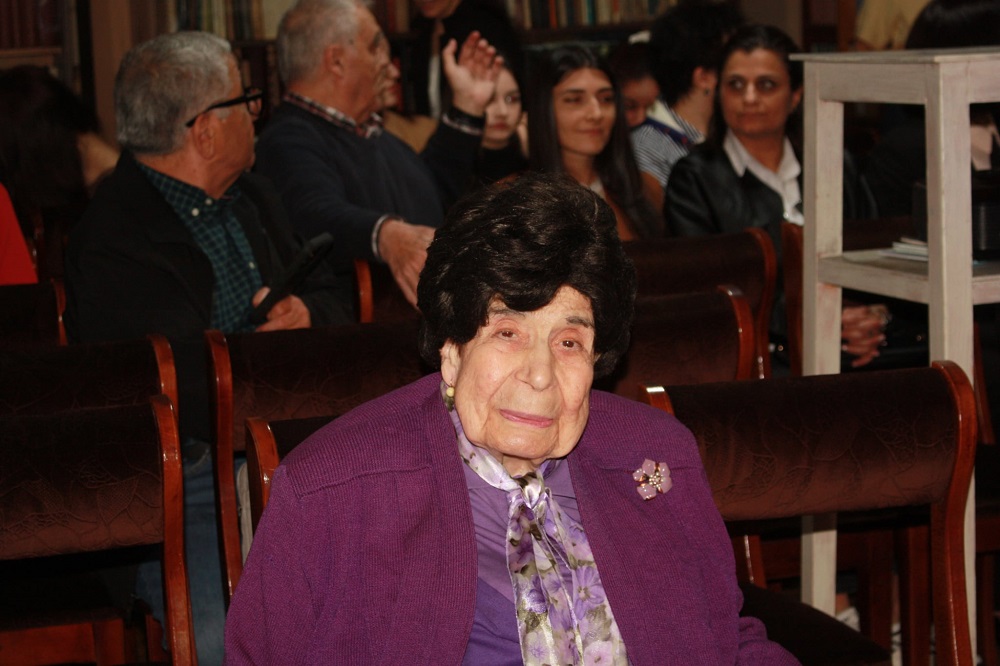
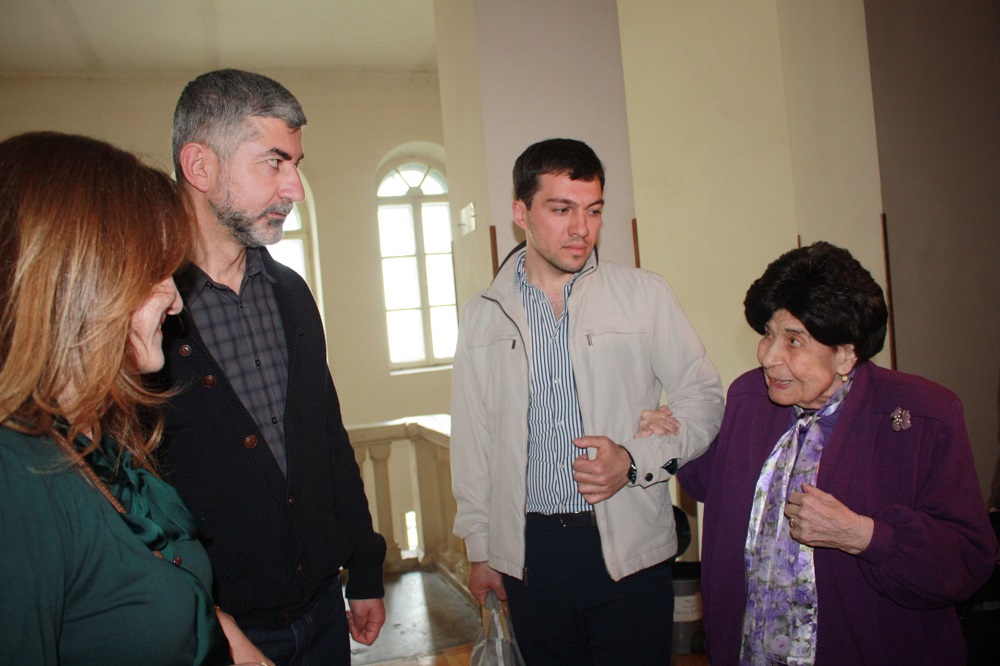
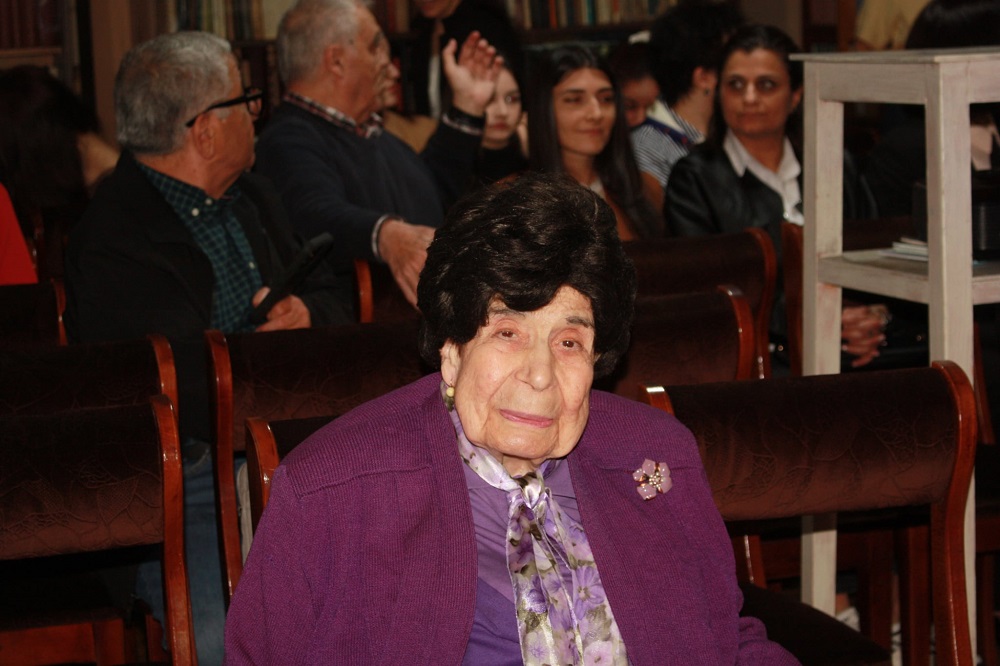
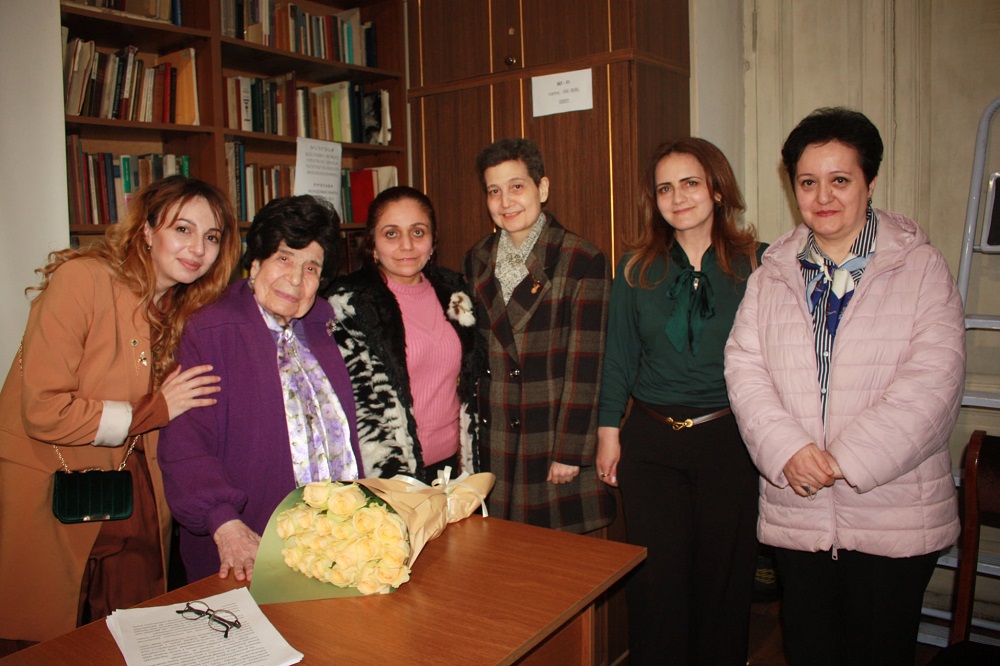
On April 23, on the eve of the 111th anniversary of the Armenian Genocide, a lecture entitled “The Forced Turkification of Western Armenians in the Ottoman Empire and Turkish-Language Folklore (Based on Materials Recorded and Collected by Me in 1955–2025)” was delivered at the Institute of Archaeology and Ethnography of the NAS RA by Doctor of Philological Sciences Verjine Svazlian.
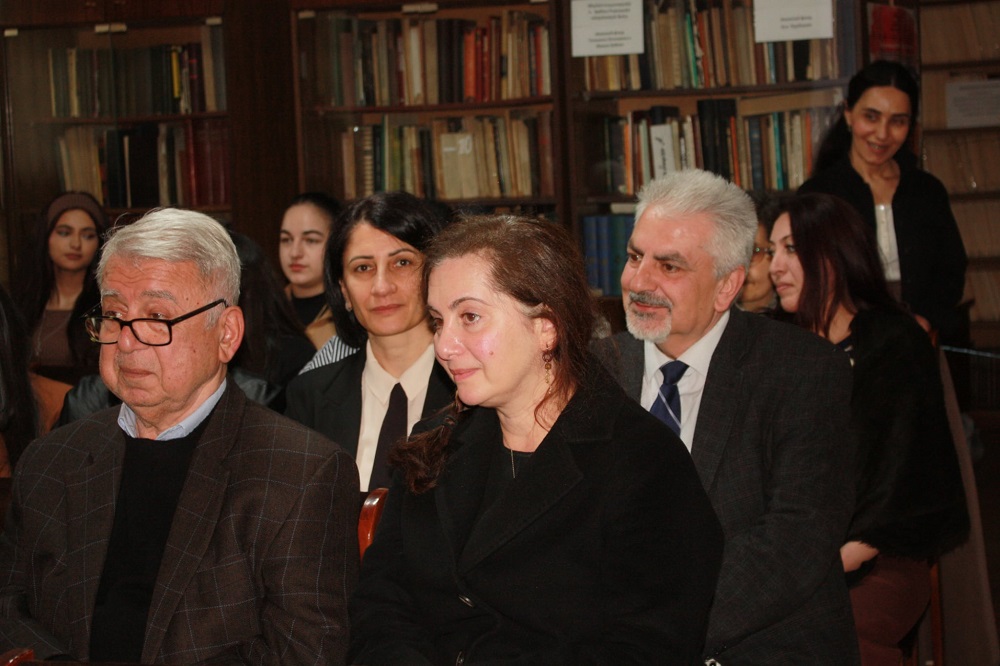
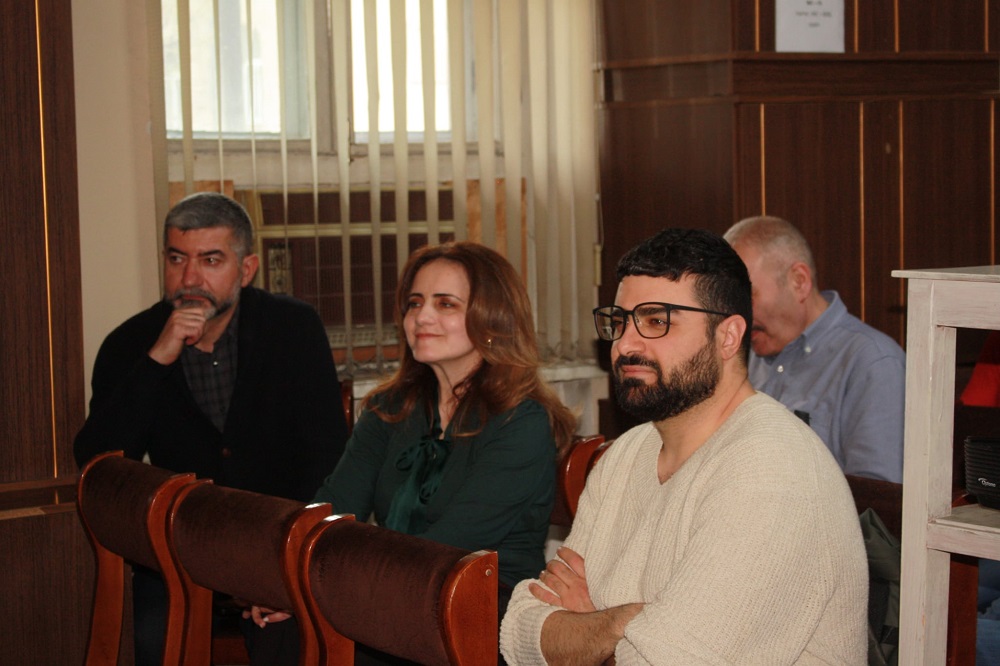
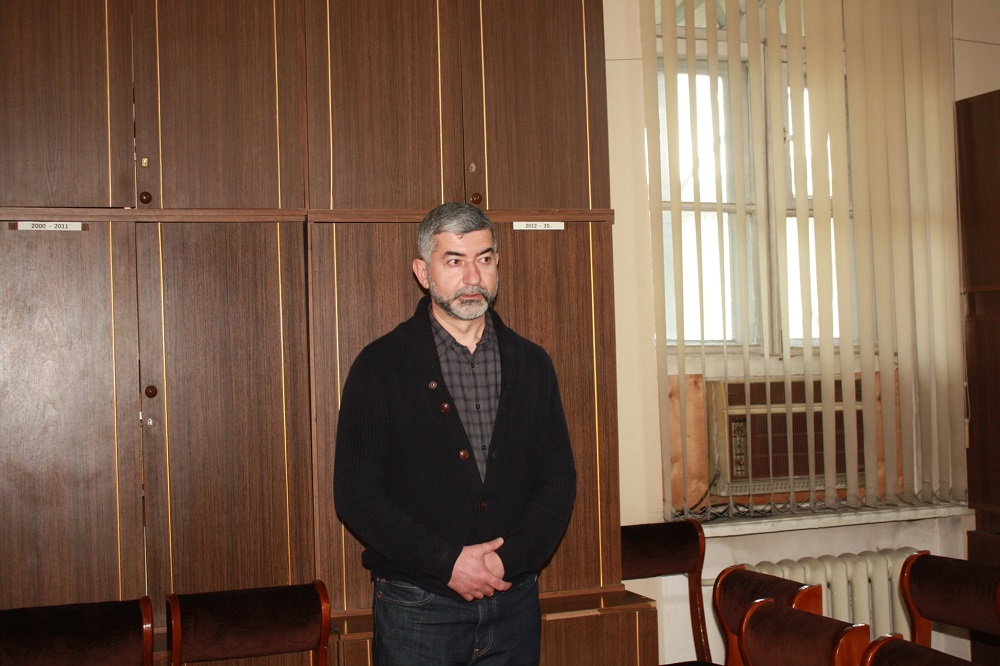
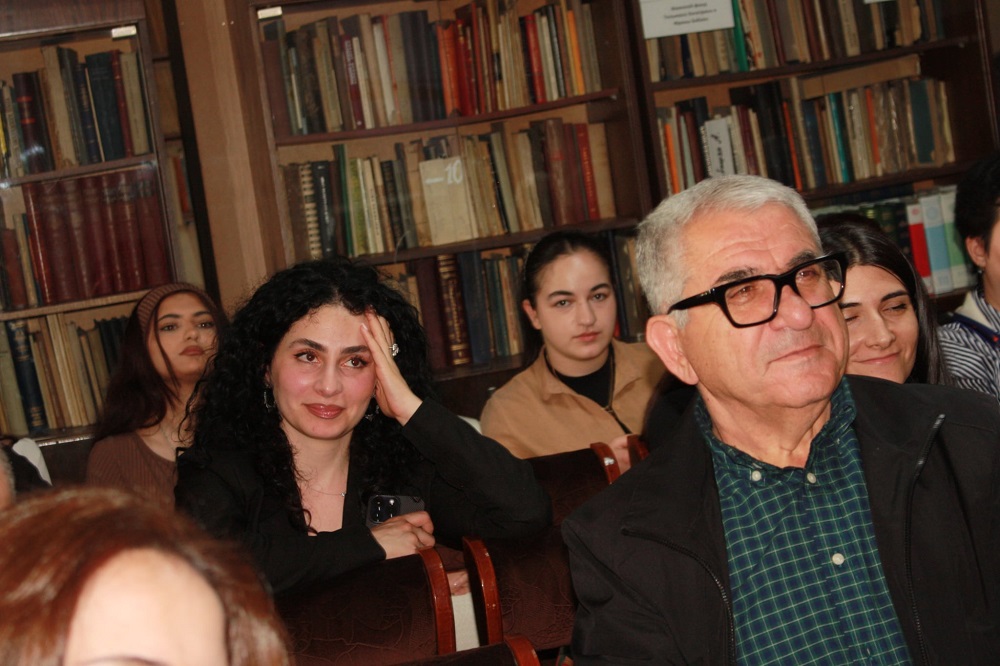
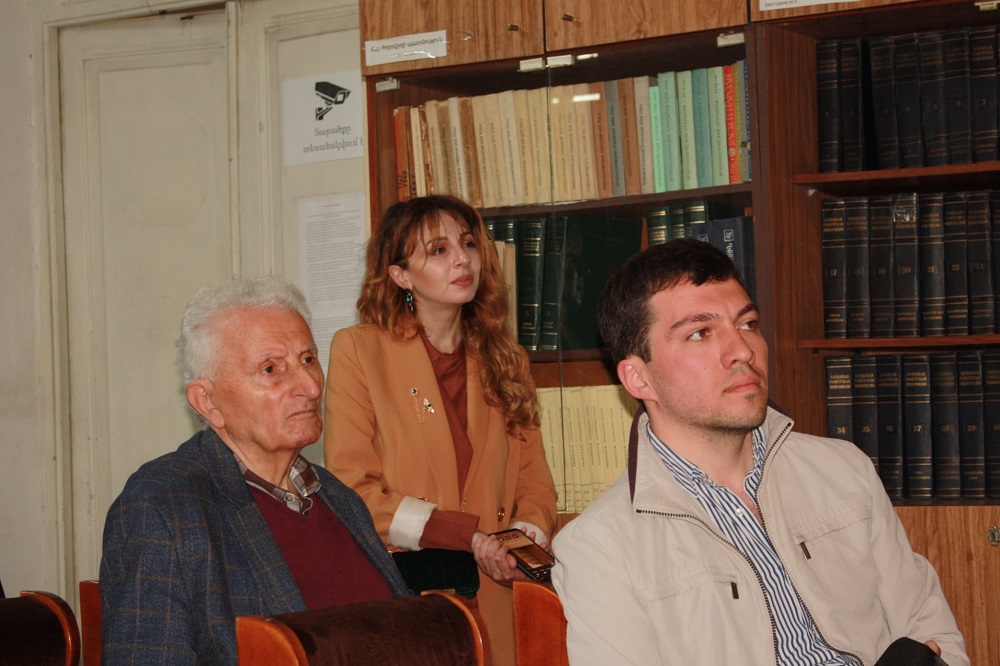
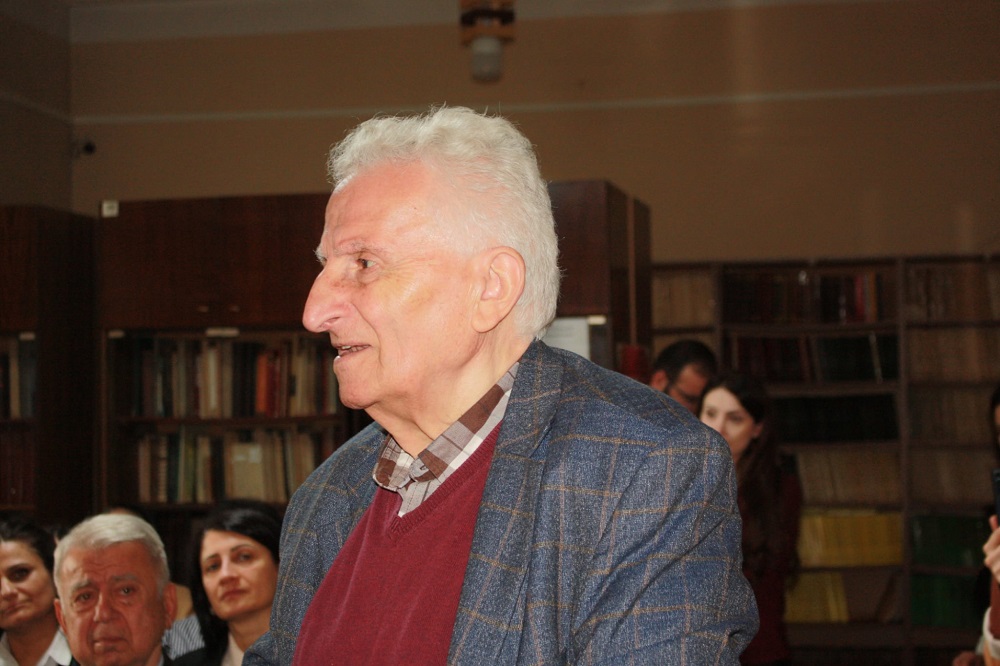
The lecture was organized within the framework of the Institute’s “Folklore Studies Discussions” series. It was attended by staff members from various departments of the Institute, students, and others interested in the topic.
The audience was welcomed and the speaker introduced by the Deputy Director of the Institute, Tork Dalalyan, who noted that it was an honor to host the long-standing, dedicated, and distinguished researcher Verjine Svazlian, whose 90th anniversary had been celebrated at the Institute two years earlier. He added that the Institute maintains continuous contact with the scholar, who, during each visit, brings copies of her newly published books. Through her own example, Verjine Svazlian demonstrates that approaching one’s beloved work with dedication and enthusiasm makes it possible to accumulate a substantial body of scholarly material. At present, she already has approximately 900 pages of material prepared for her forthcoming book. T. Dalalyan also emphasized the importance of involving the younger generation, particularly students, stressing that interaction with and acquaintance with such scholars can serve as a source of inspiration and creative motivation.
V. Svazlian began her lecture by recalling to the period of the formation of the Ottoman Empire and the subsequent anti-Armenian and genocidal policies pursued by Turkey, as well as those directed against other peoples. She also addressed works written in Turkish but using the Armenian script, which emerged under conditions of Turkish domination. In the second part of the lecture, V. Svazlian presented recordings of songs she had collected, including lullabies, war songs, and other folklore materials performed in Turkish by Armenian singers.
the end of the lecture, the audience posed questions to the speaker, followed by a discussion.
