Working Hours
Monday to Friday: 09:00 AM – 06:00 PM Saturday–Sunday: ClosedContact Information
Republic of Armenia, Yerevan, 0025, 15 Charents Street Email:info@iae.am Phone:+37410-55-26-45Find us on Facebook
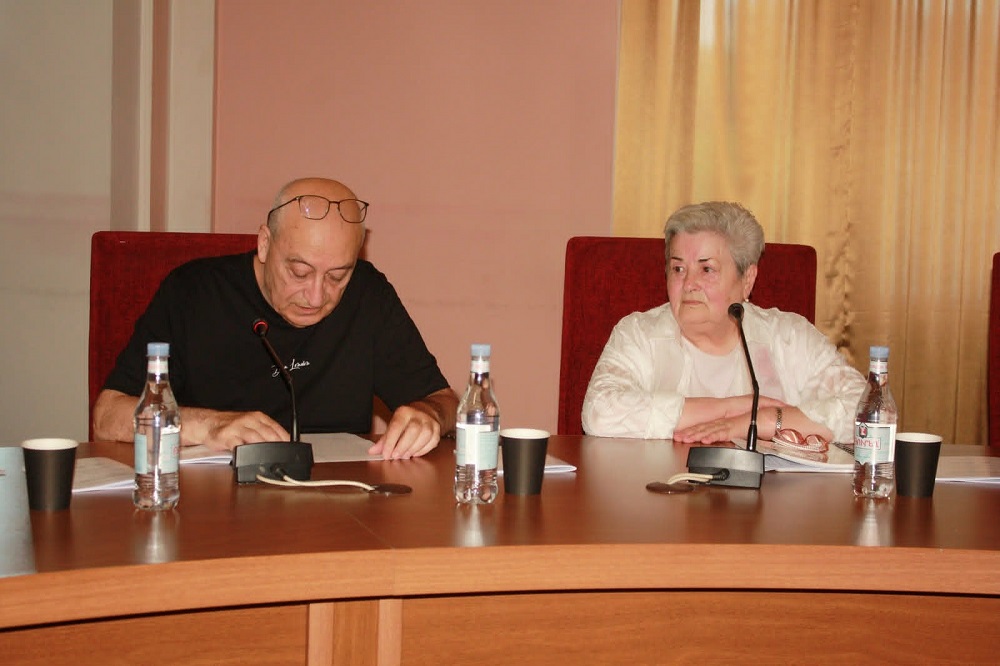
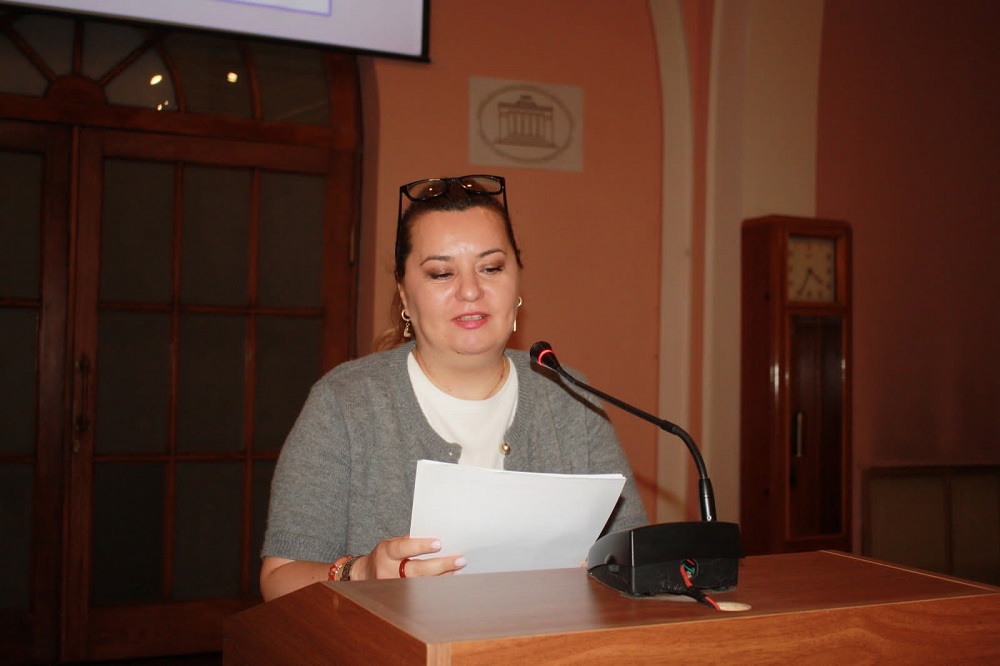
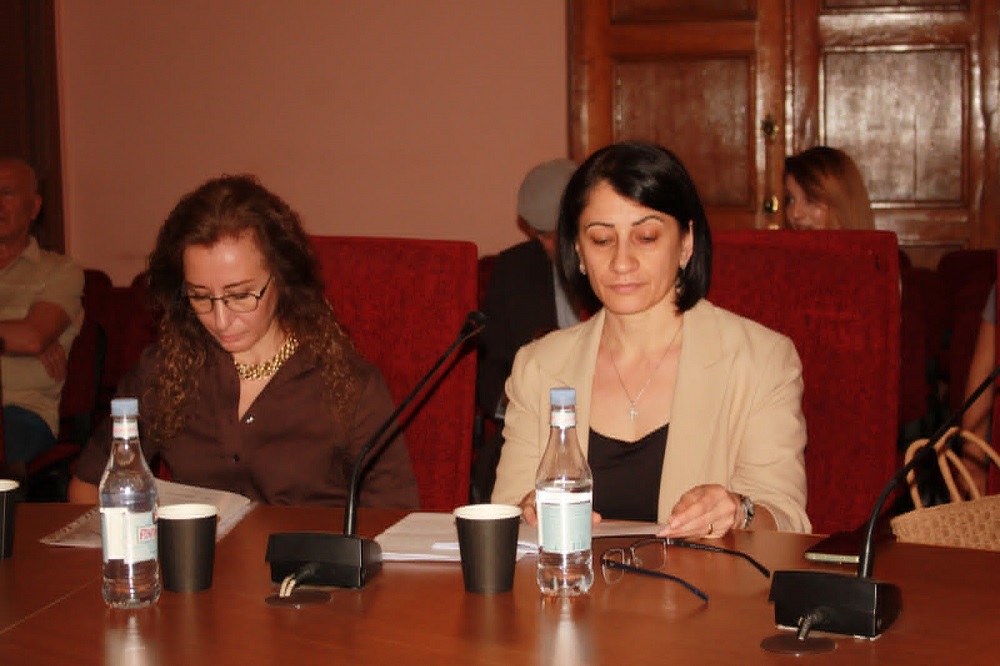
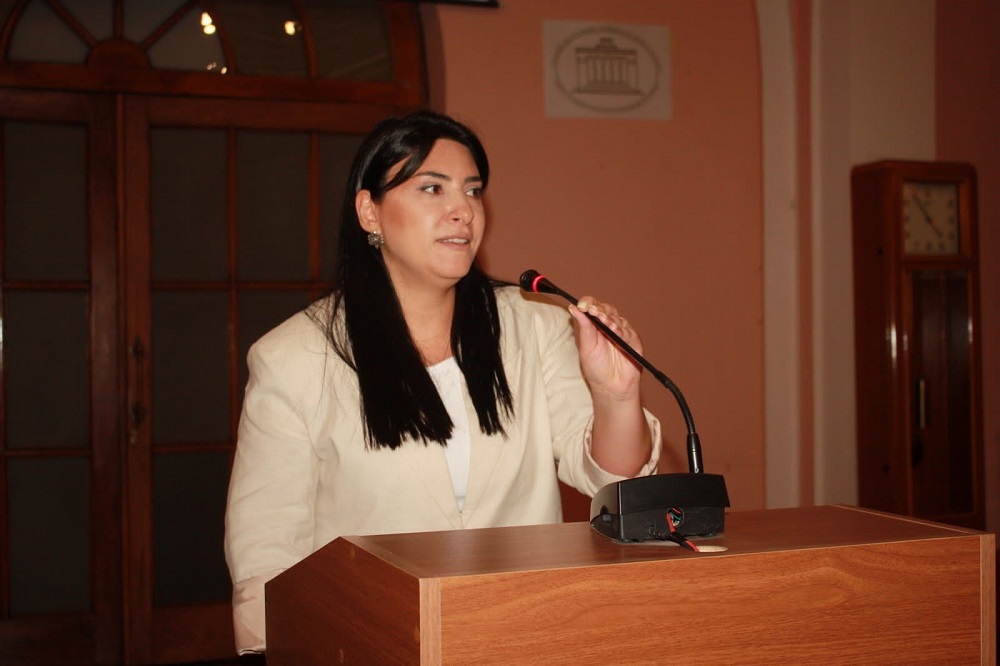
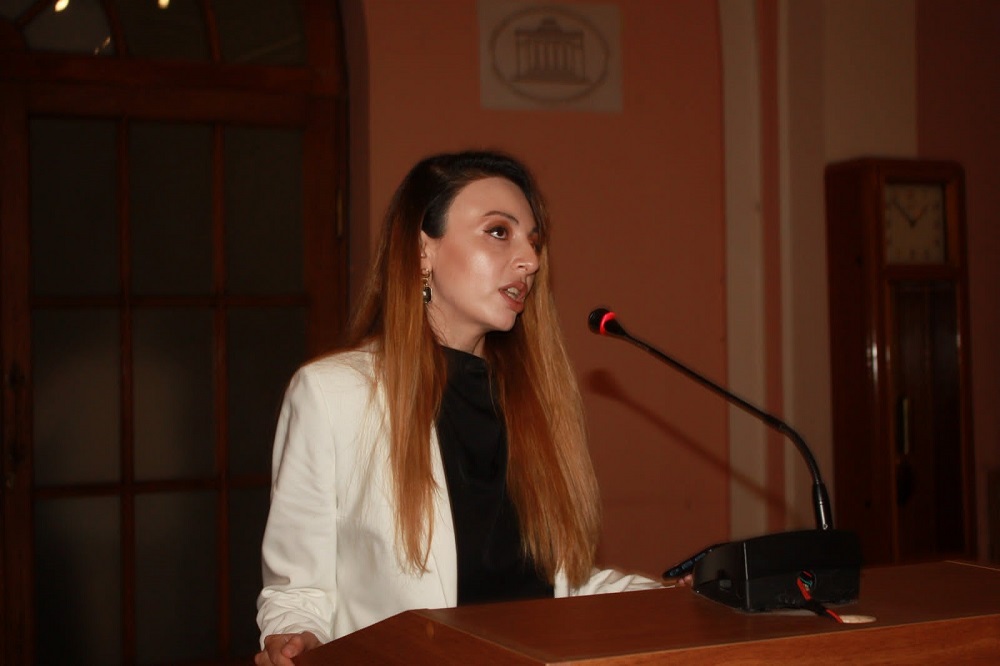
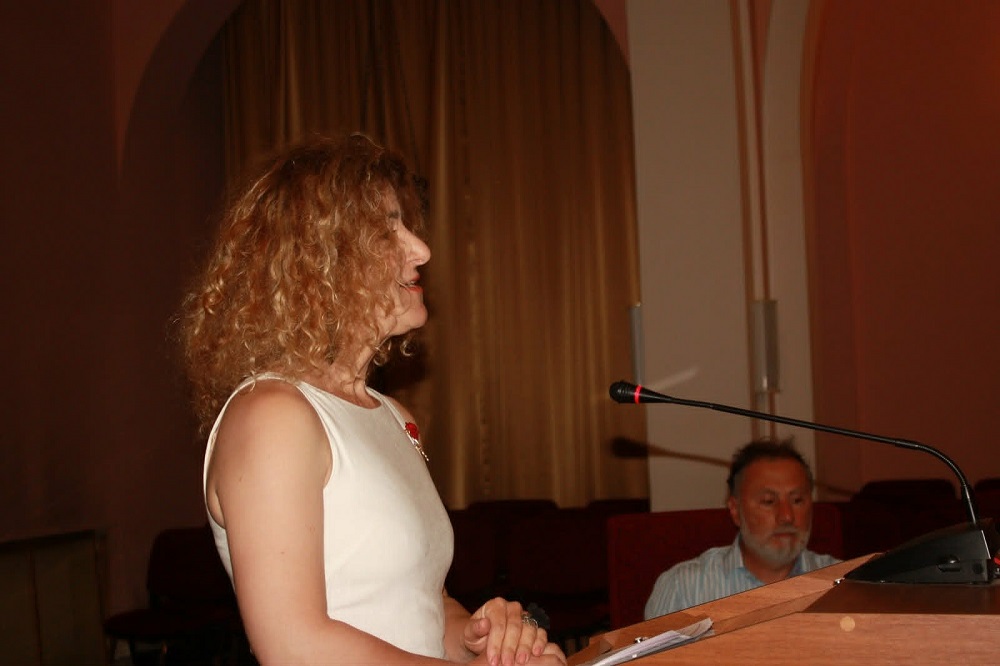
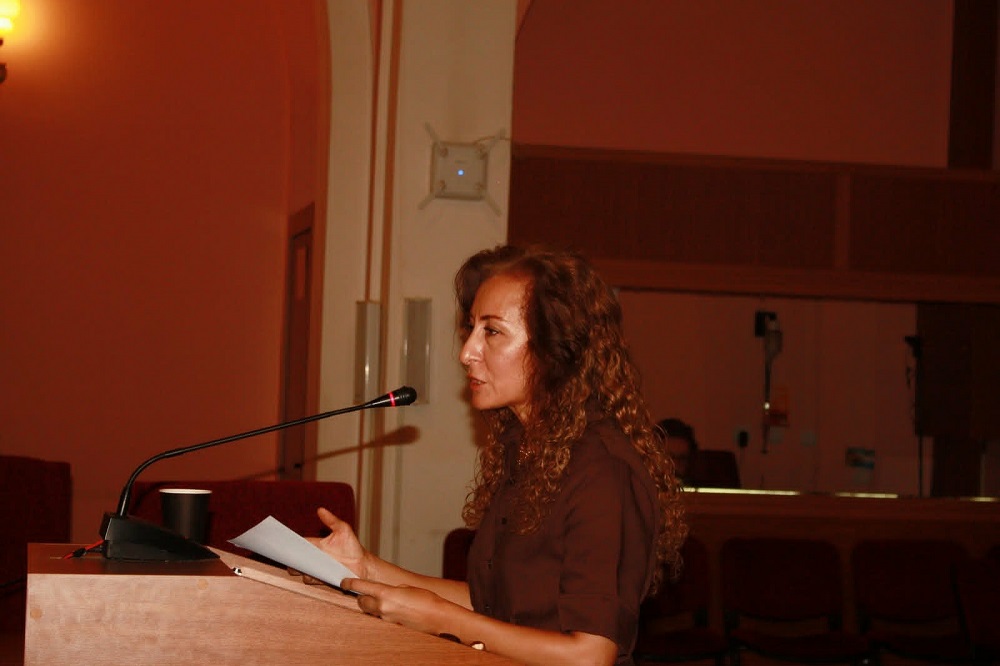
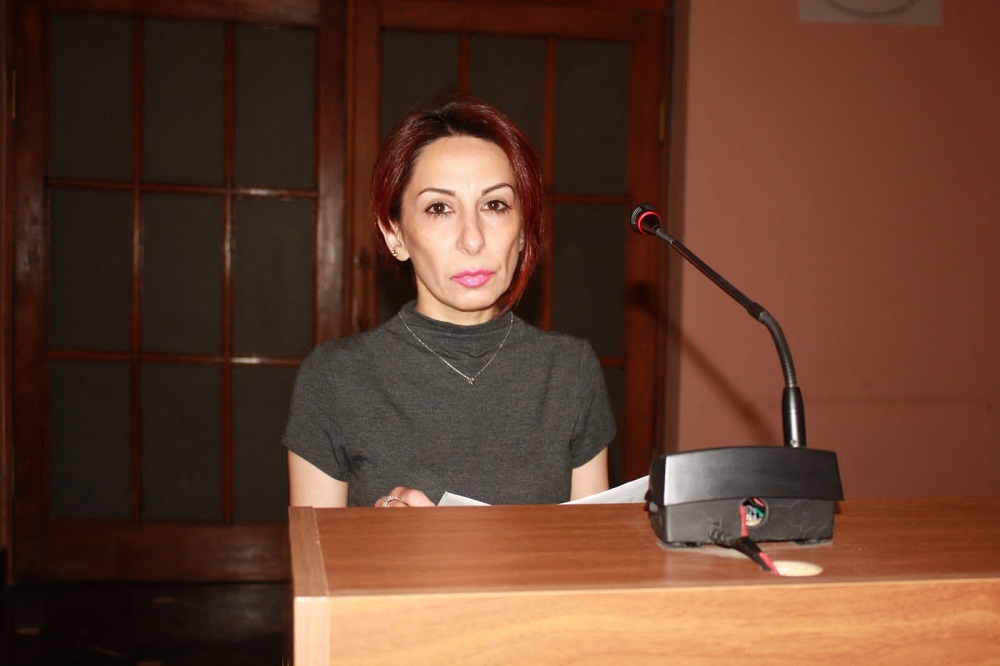
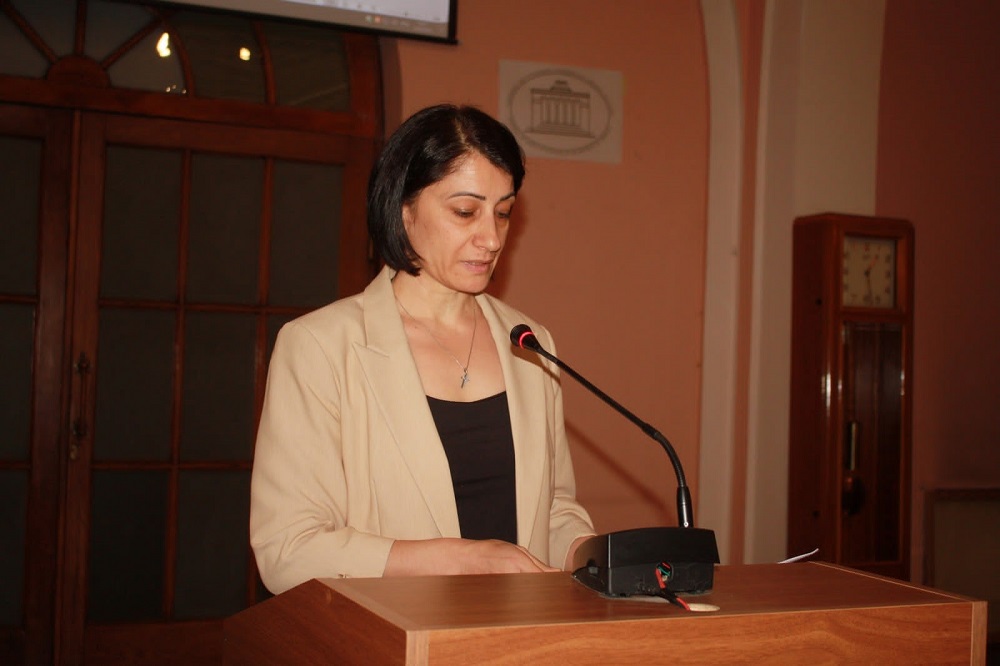
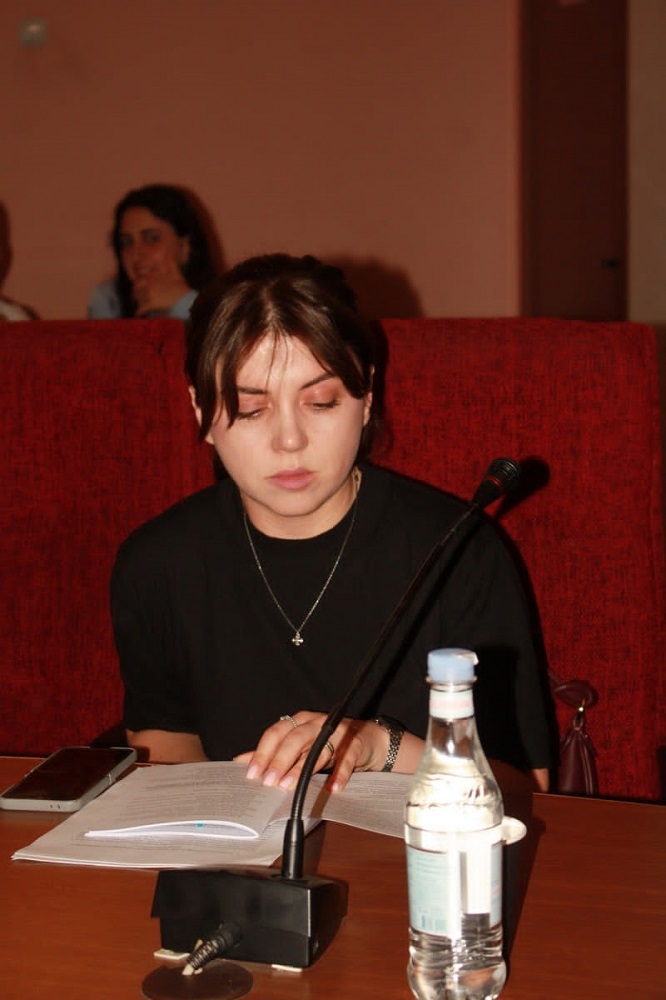
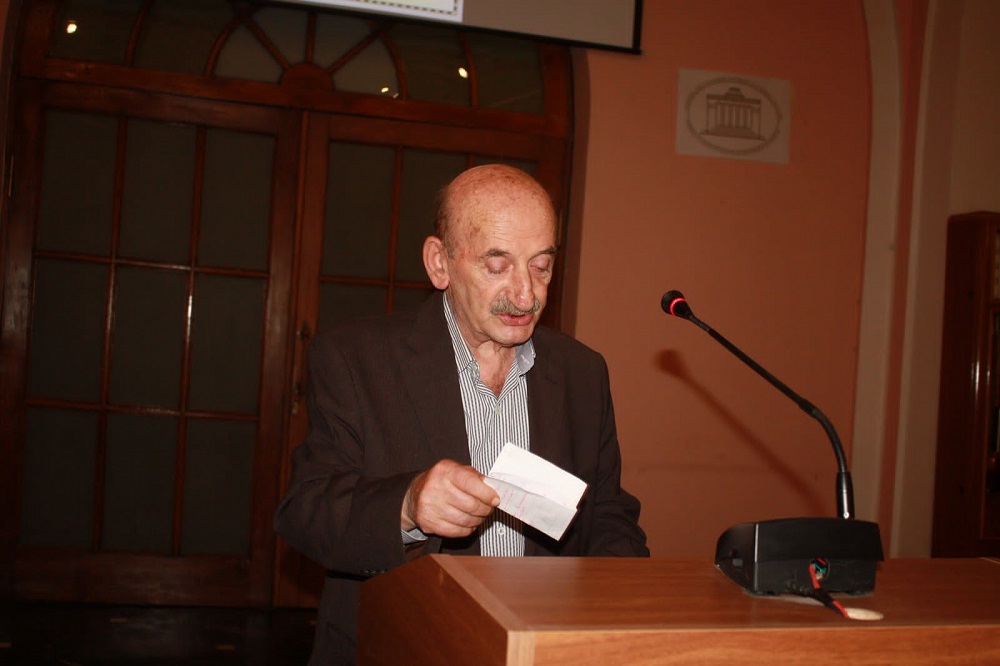
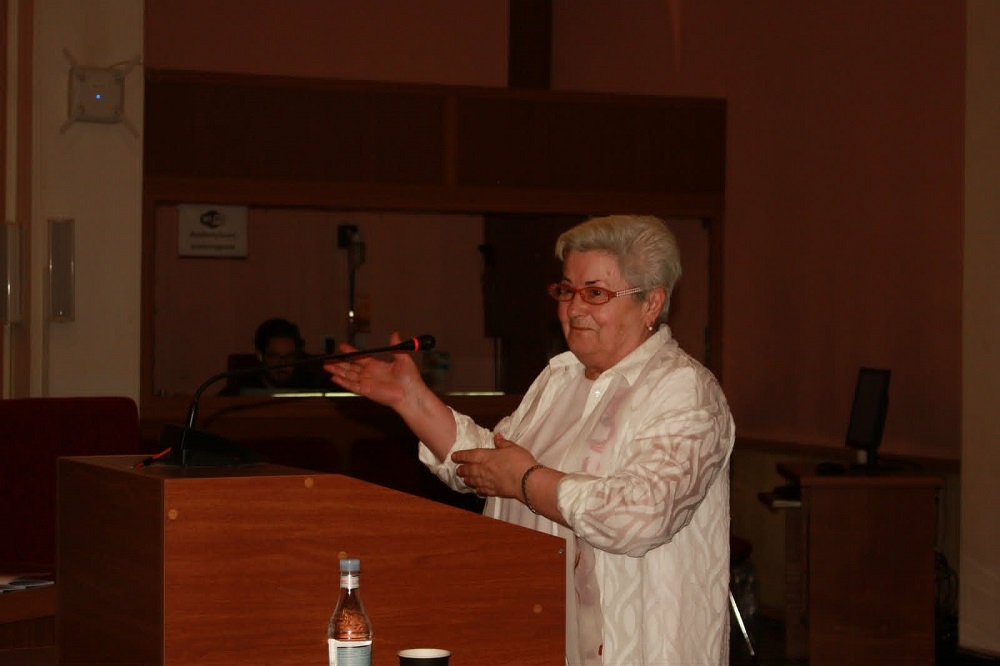
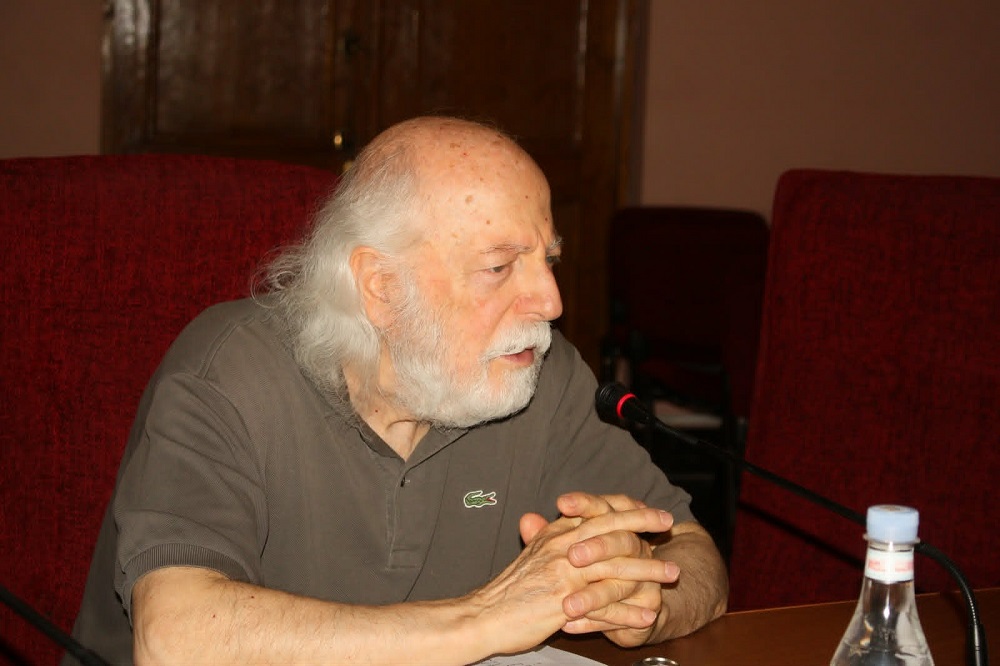
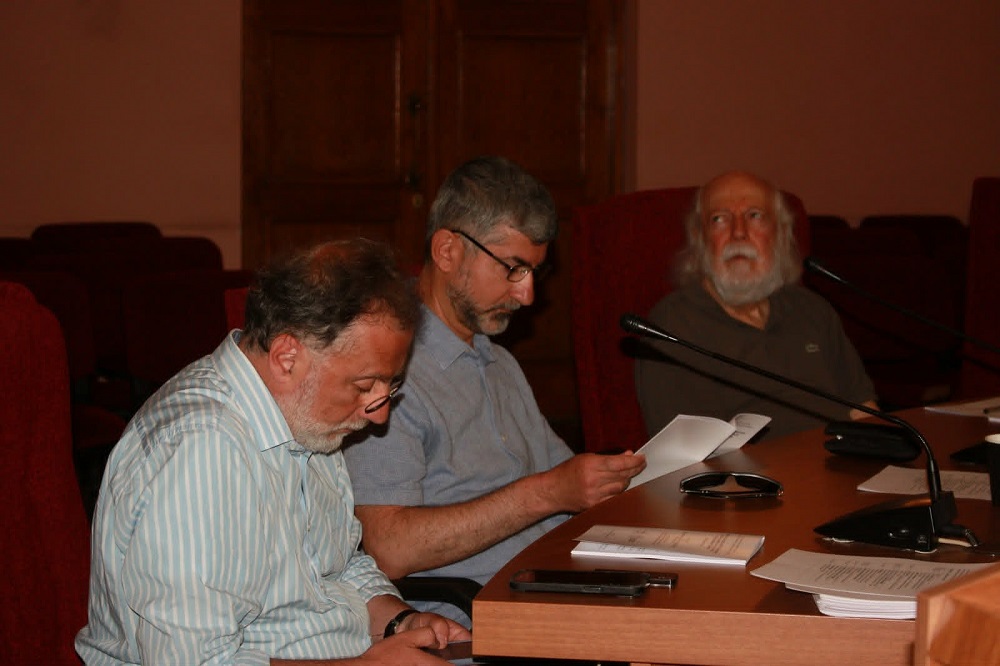
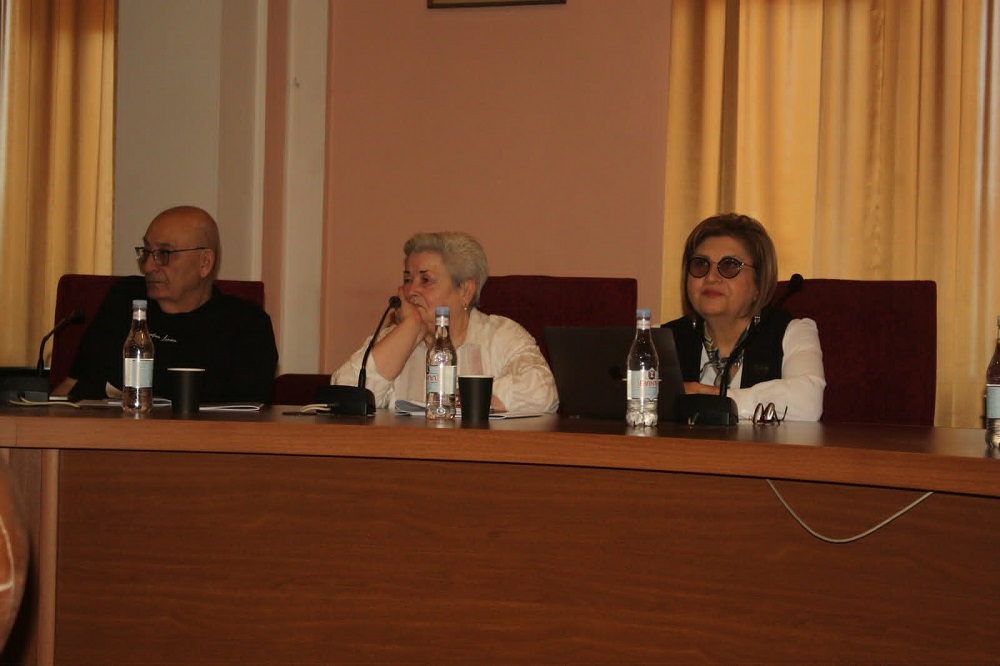
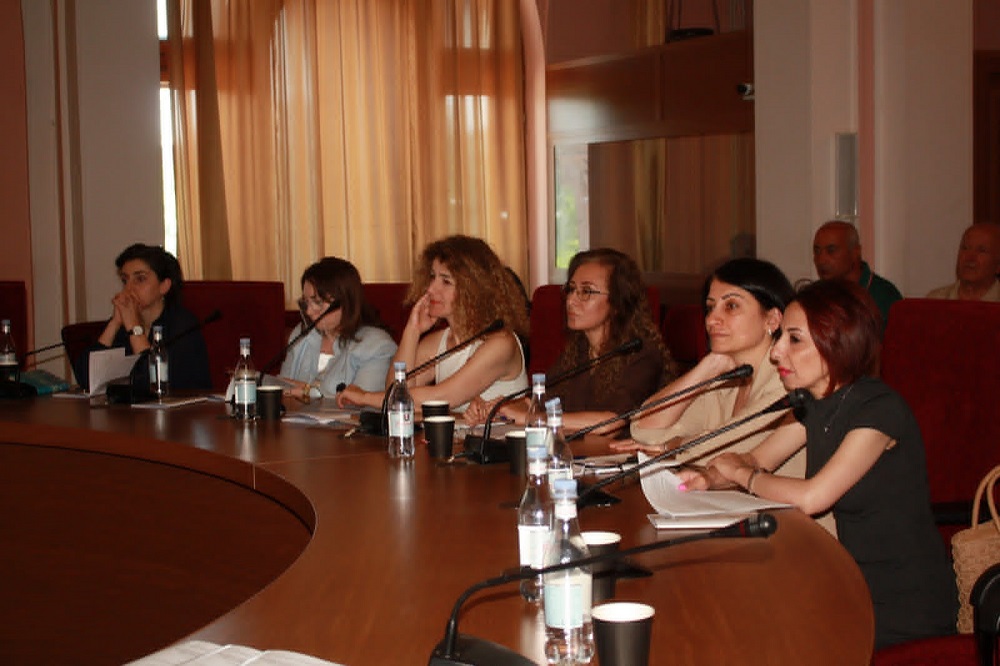
On June 12, the two-day conference entitled “Festival and Festive Culture as a Culture-Shaping Text of the Past and Present” opened
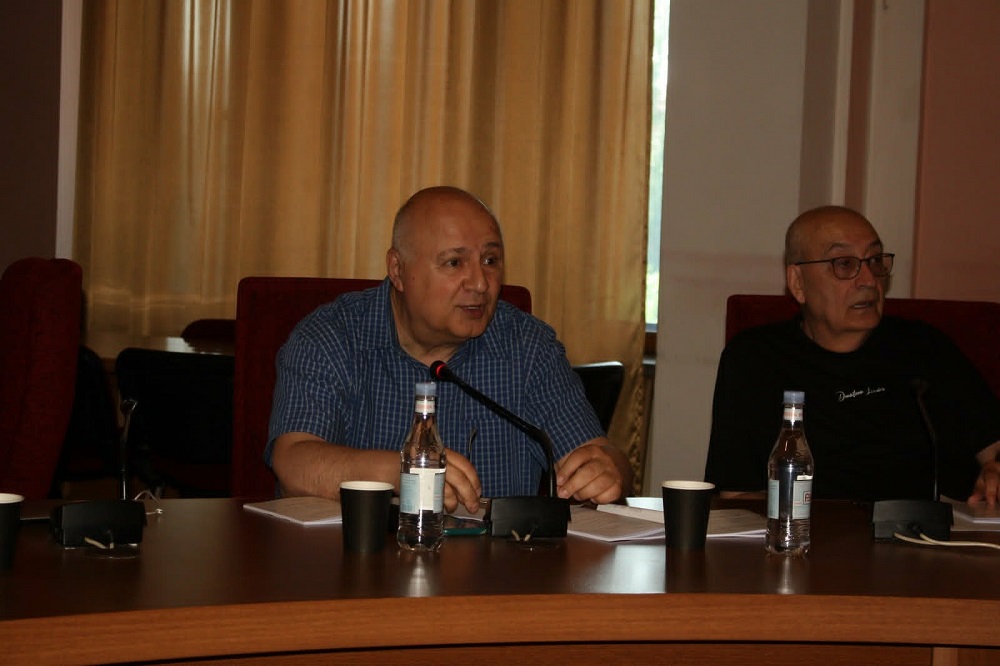
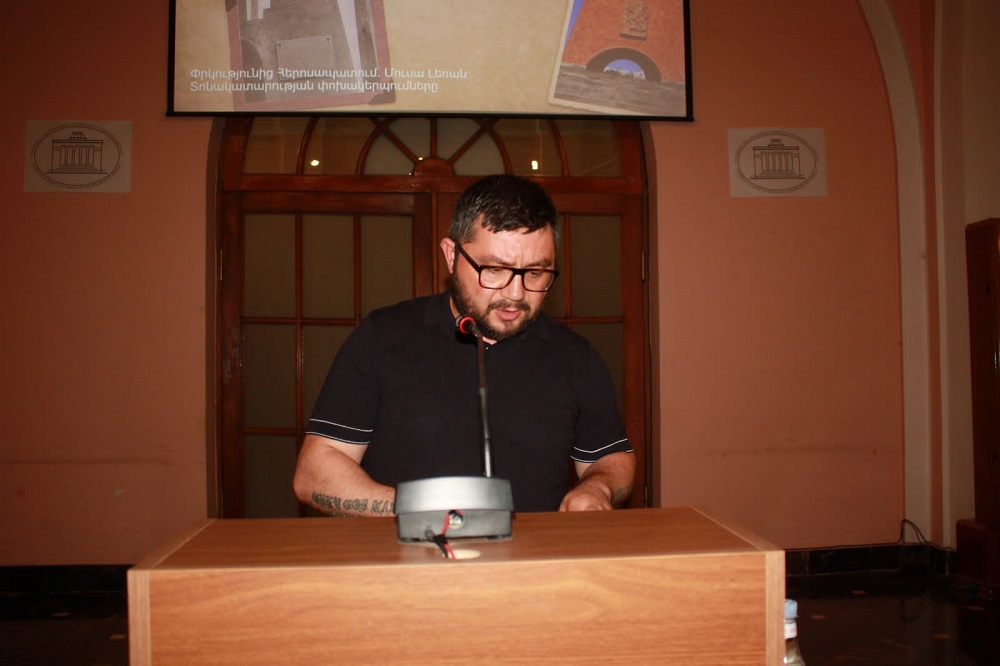
On June 12, the two-day conference entitled “Festival and Festive Culture as a Culture-Shaping Text of the Past and Present” opened in the Round Hall of the National Academy of Sciences of the Republic of Armenia (NAS RA). The conference was organized within the framework of the targeted research project “The Use of Manifestations of Traditional Cultural Heritage in Politics: Opportunities and Recommendations,” implemented by the Institute of Archaeology and Ethnography of the NAS RA.
The conference brought together representatives of various scientific institutions of the Republic of Armenia and higher educational institutions operating in Yerevan. The presentations were devoted to the Armenian traditional festive calendar, the historical and contemporary manifestations of festive culture, as well as the study of the festival as a means of expressing ethnic, religious, social, civic, and political identity. Particular attention was paid to issues related to the festive calendar, the politics of memory, intangible cultural heritage, the festivalization of celebrations, their use as public events, transformations in the digital environment, and their relationship with the creative industries. The first day of the conference included three sessions, each featuring five presentations of approximately 20 minutes each. Every session concluded with a question-and-answer period and discussion.
The participants were welcomed by Pavel Avetisyan, Vice President of the NAS RA, who emphasized the importance of the conference and wished it every success. Welcoming remarks were also delivered by Hranush Kharatyan, Head of the Applied Anthropology Group at the Institute of Archaeology and Ethnography, who highlighted the conference's relevance and noted that it would be followed directly by a two-day workshop to be held in the same venue.
The first session, entitled “Festival and Festivity in Armenian Historiography,” was chaired by ethnographer and Doctor of Historical Sciences Harutyun Marutyan. After the break, the second session, “The Cultural Text of the Festival in the Folk Tradition of the 19th Century,” was chaired by Ruzanna Tsaturyan. The third session, “The ‘Arrival’ of the Soviet Festival: New Culture-Shaping Texts in Soviet Armenia and the Armenian Diaspora,” was chaired by Haykuhi Muradyan, lecturer at Yerevan State University and researcher at the Institute of Archaeology and Ethnography. She also presented the paper “The Institutionalization of Soviet Festive Culture and Its Performative Manifestations in Houses of Culture (Soviet Armenia, 1950s–1980s).”
The second day of the conference is scheduled to include four additional sessions. Following the conclusion of the conference, on June 14–15, a workshop will be held at the same venue. It is likewise organized within the framework of the targeted research project “The Use of Manifestations of Traditional Cultural Heritage in Politics: Opportunities and Recommendations.”
