Announcements
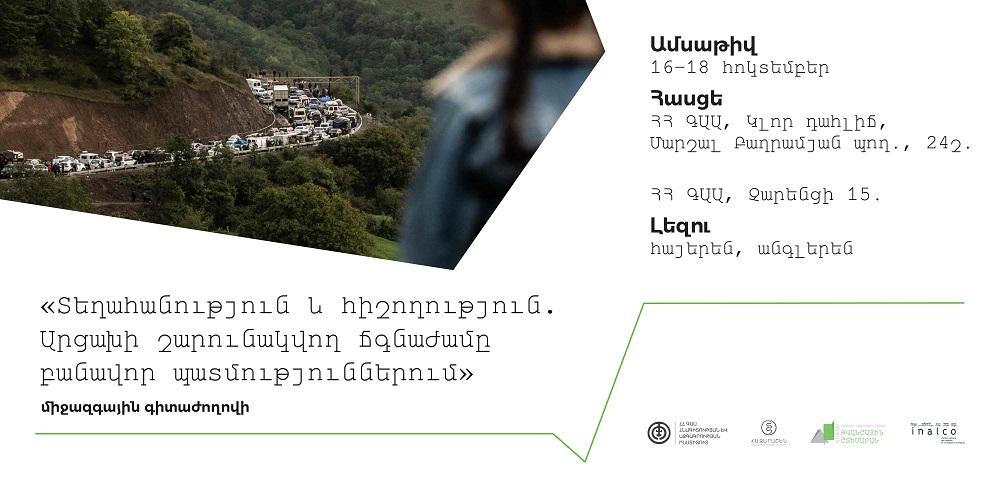
International Conference: Deportation and Memory: The Ongoing Crisis of Artsakh in Oral Histories
16-10-2025 09:00 Presentation time will be limited to 20 minutes.
 Participation will be possible both online and in person.
 Selected papers will be considered for publication.
 For inquiries or further information, please contact the conference coordinators at: iae.anthropology@gmail.com
The Institute is launching the “Guardians of the Vishaps” program.
10-10-2025 16:09The Institute of Archaeology and Ethnography of the National Academy of Sciences of Armenia (IAE NAS RA) has launched a new collaborative project titled “Guardians of the Vishaps” in partnership with the Culture Factor NGO.
The main goal of the project is to raise awareness among children aged 10–14 and local communities about the exceptional cultural significance of Armenian vishap-stones (dragon-stones), as well as to promote heritage preservation, critical thinking, and civic engagement.
This initiative, implemented with the support of a grant from the H. Hovnanyan Family Foundation, combines fundamental scientific knowledge with innovative educational methodologies. As a leading research center, the IAE ensures the scientific accuracy and validity of the project’s content.
Our specialists provide consultations on the general concept and all educational materials, aligning the available information about vishap-stones with the latest archaeological research data.
The IAE is also directly responsible for the development and implementation of specialized educational courses. These courses will be held for schoolchildren and their families as part of community awareness campaigns. Through this experiential learning process, participants will gain in-depth knowledge of the unique iconography and archaeological context of vishap-stones, becoming informed guardians of this heritage of global significance.
The “Guardians of the Vishaps” is a nine-month program that began in September 2025, based on a concept developed by Culture Factor NGO. It includes the production of an animated film “Vahagn and the Vishap”, the publication of informational booklets, and film screenings during community outreach events.
Through this collaboration, the Institute aims not only to disseminate scientific knowledge but also to present the historical and cultural value of vishap-stones to various segments of society—especially to the younger generation—thus contributing to the long-term preservation of Armenia’s cultural heritage.
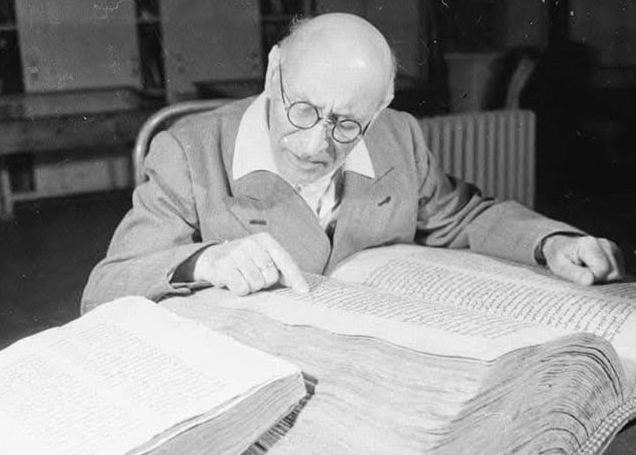
Lecture: “Hrachia Acharian’s Unpublished Legacy: HAYARDZAN”
25-09-2025 16:00On September 25, at 16:00, within the framework of the “Medieval Studies Discussions” seminars of the Institute of Archaeology and Ethnography of the NAS RA, the next lecture will take place: “Hrachia Acharian’s Unpublished Legacy: HAYARDZAN.”
Lecturer: PhD in Philology Susanna Adamyan.
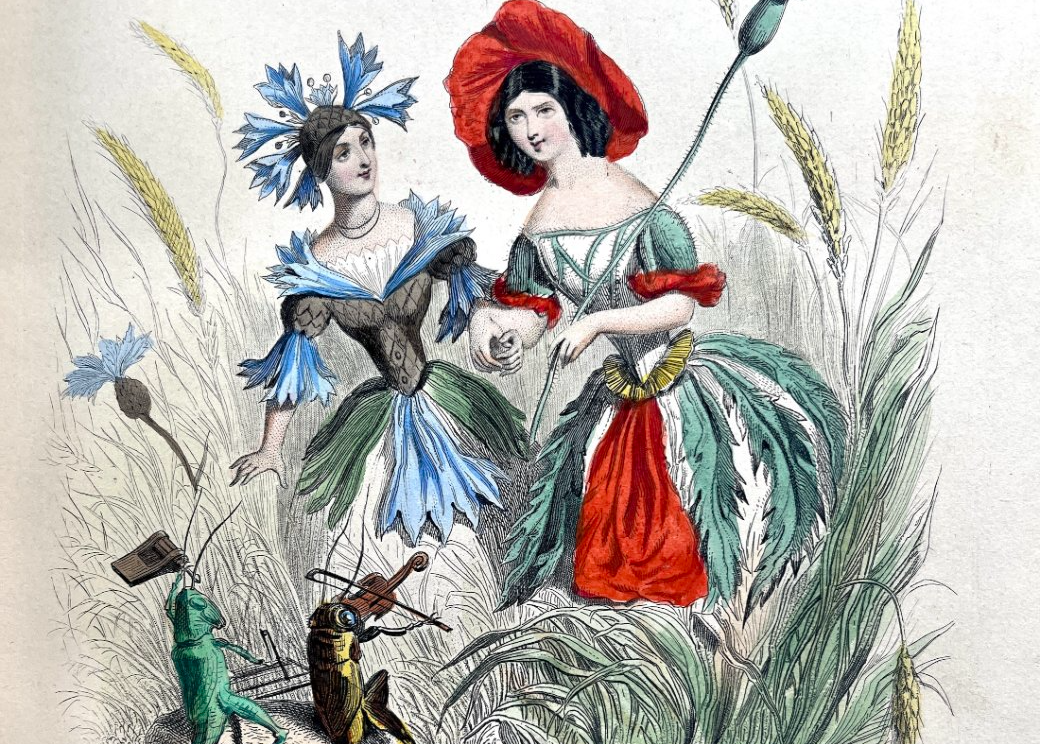
Lecture: “Anthropomorphism: Humanization of the Plant and Animal World in a Fabulous Environment”
18-09-2025 16:30On September 18, from 16:30 to 18:00, within the framework of the NAS RA “Philological Discussions,” a lecture entitled “Anthropomorphism: Humanization of the Plant and Animal World in a Fabulous Environment” will take place.
Speaker: Alvard Jivanyan, Doctor of Philology, YSU.
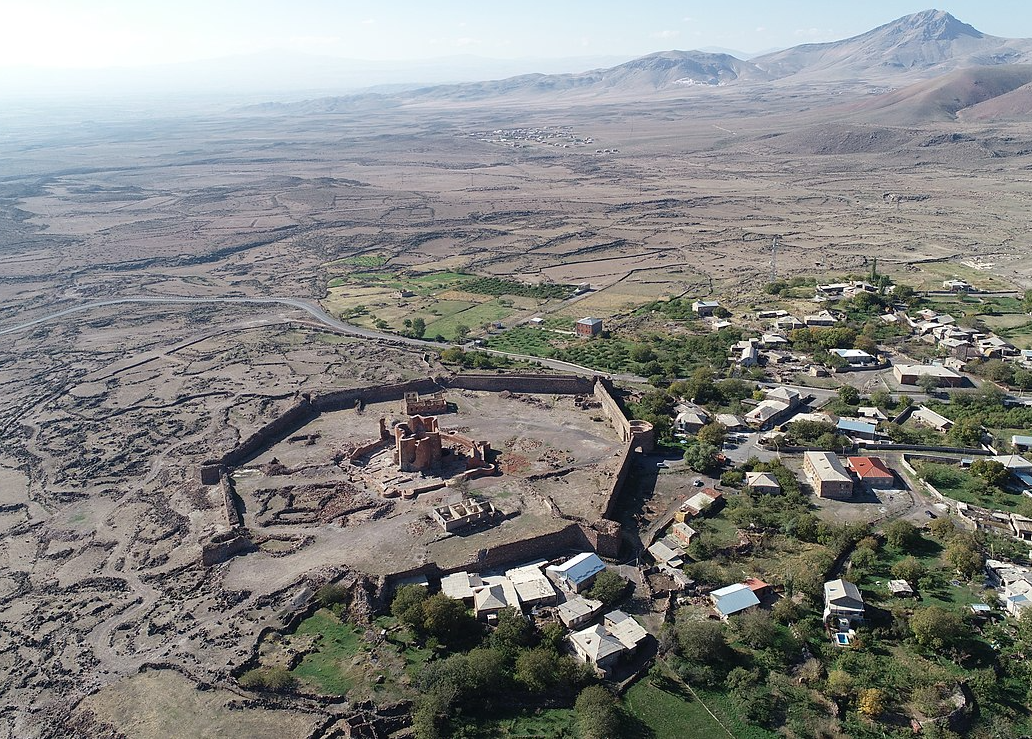
Lecture: “Challenges of Restoring and Musealizing the Dashtadem Fortress”
17-09-2025 15:00On September 17, at 15:00, the next seminar of the Architectural Modeling Research Group will be held at the NAS RA.
Topic: “Challenges of Restoring and Musealizing the Dashtadem Fortress”
Speaker: Sose Aghayan.
Lecture: “Museums in Times of Crisis: The Experience of Artsakh’s Museums”
15-09-2025 16:00On September 15, at 16:00, in the institute’s library, the seminar of the Research Group on the Historical and Cultural Heritage of Artsakh will take place.
Topic: Museums in Times of Crisis: The Experience of Artsakh’s Museums
Speaker: PhD in History, Nzhdeh Yeranyan.

The IAE is organizing an international conference “Fortresses and Defense System in the Middle East”
20-08-2025 09:00The Institute of Archaeology and Ethnography of the NAS of the Republic of Armenia is organizing an international conference “Fortresses and Defense System in the Middle East”, October 23-25, 2025.
The goal of the conference is for the first time to bring together in Armenia archaeologists, architects, historians and experts in the preservation and management of historical and cultural heritage, as well as other researchers related to the field to promote the comprehensive study of fortresses and defense systems in Armenia and neighboring countries.
The conference will provide an opportunity to present new research on defense infrastructures and highlight their strategic, political and economic role in different eras.
The directions of the conference are:
- Archaeology
- Architecture
- Source studies, historiography
- Folklore, ethnography
- Tourism
To apply for participation:
- Prior to July 30th of the current year, the applicant should send to the conference organizing committee the abstract of the report spanning 300-350 words which includes the goal and objectives of the report, the full name of the applicant and the affiliated institution of any (independent researchers are also welcome).
- The abstracts should be sent to fortresses.conference@iae.am
- The applicants will be informed about the selection of the topics by August 20th of this year.
ATTENTION: If participant from abroad requires it, the inviting party will cover their accommodation expenses.
Organizer of the Conference: IAE Medieval archaeology department.
Financial support: All Armenian Foundation Financing Armenological Studies


The defense of Ruzanna Mkrtchyan’s Doctoral dissertation, titled “Bioarchaeology of the Sevan Basin (Middle and Late Bronze Ages),” will take place at the IAE
26-06-2025 14:00The defense of Ruzanna Mkrtchyan’s Doctoral dissertation, titled “Bioarchaeology of the Sevan Basin (Middle and Late Bronze Ages),” will take place on June 26 at 14:00 during the session of Professional Council 007 (Archaeology and Ethnography) at the Institute of Archaeology and Ethnography of the National Academy of Sciences of the Republic of Armenia (IAE, NAS RA).
The dissertation focuses on the reconstruction of the anthropological type, demographic profile, lifestyle, diet, and burial practices of the Middle and Late Bronze Age population of the Sevan Basin, based on craniometric, osteometric, sex-age, and dental pathology data. Official opponents:
Professor Hayk G. Avetisyan (Doctor of History), Garegin S. Tumanyan (Doctor of History), Hakob Ye. Simonyan (Doctor of History) Leading institution:
Institute of Archaeology and Ethnography, National Academy of Sciences of the Republic of Armenia


Conference: "Soviet Political Repressions, Deportation, and Memory"
12-06-2025 09:00The National Academy of Sciences of the Republic of Armenia, the Institute of Archaeology and Ethnography, and the “Hazarashen” Armenian Center for Ethnological Studies NGO are organizing a conference titled “Political Repressions, Deportation, and Memory in the USSR.”
The conference will take place on June 12–14 of this year, in Goris and Yerevan.

"Carl-Gustav Jung – 150" Workshop-Lectures
02-06-2025 10:00On the initiative of the Community Studies Research Group of the Institute of Archaeology and Ethnography (IAE), a workshop-lecture titled "Carl-Gustav Jung – 150" will take place from June 2-8 at 10:00 AM in Ijevan.
In 2025, the 150th anniversary of the great Swiss philosopher, psychologist, and cultural theorist Carl Gustav Jung will be widely celebrated by numerous institutes worldwide. The Community Studies Research Group of the Institute of Archaeology and Ethnography of RA applies many of Jung's theoretical and methodological principles in its research, particularly his discoveries in the psychology of religion and human creativity.
In honor of this milestone, a series of lectures will explore Jung's cultural studies and his outstanding students, as well as related Armenological materials and research conducted using Jungian methods. Topics will include four-faced steles, funeral rites, visions, and dreams.
The speakers include Lilit Simonyan (Ph.D.), Hayk Hakobyan (Ph.D.), and Karen Hovhannisyan (Ph.D.), a team that has been engaged in research on folk Christianity, cult manuscripts, shrines, pilgrimages, myths and symbols, sacred graffiti, and other topics for more than 15 years.
The lecture series will not be limited to the discussions presented from June 2-8 and may include additional talks by other specialists using Jungian methods. On the anniversary day itself, July 26, an online interactive event will be held featuring scholars from Armenia and abroad who also utilize Jung's approaches and recognize his contributions to world culture in the fields of psychotherapy, art and art history, literature and literary studies, education, religious studies, and more.
